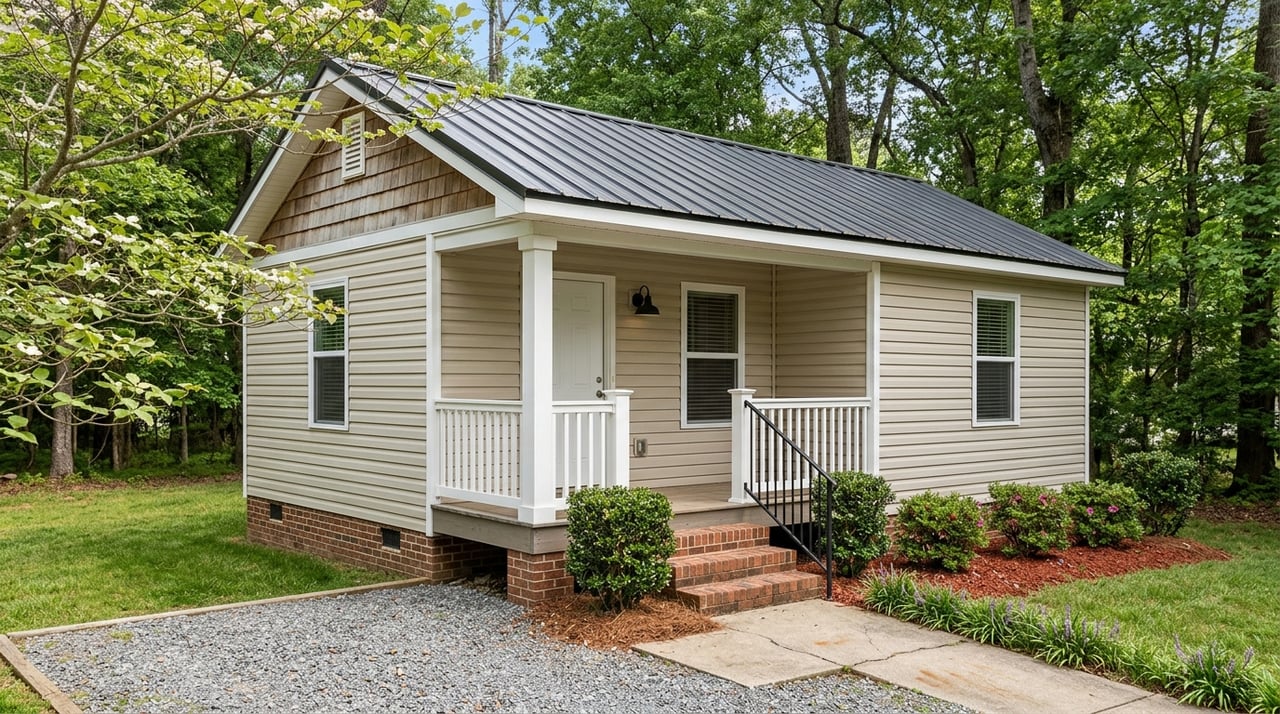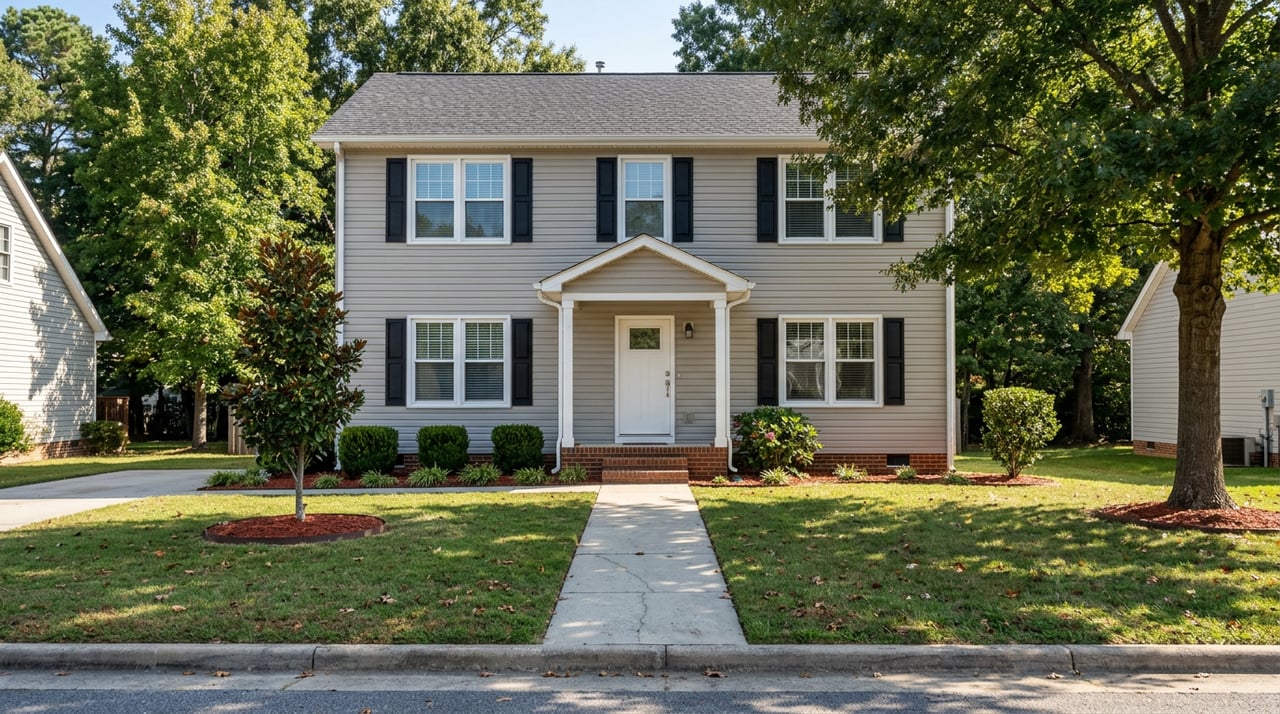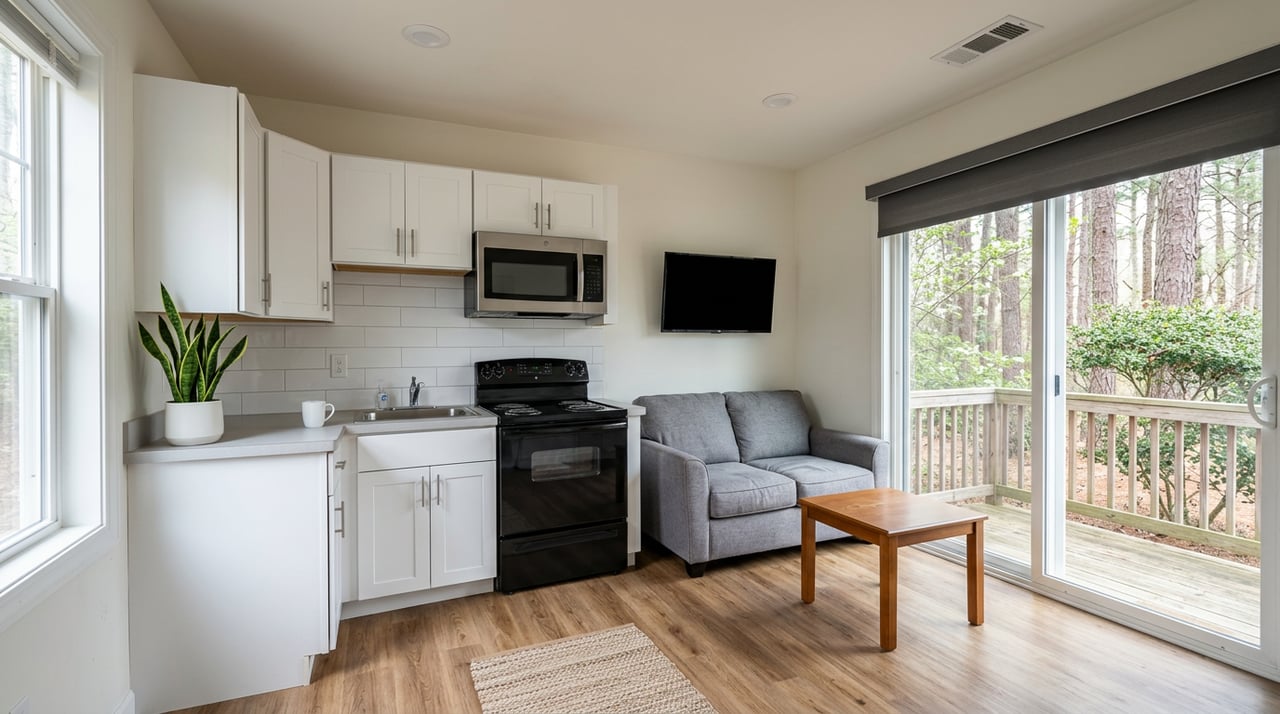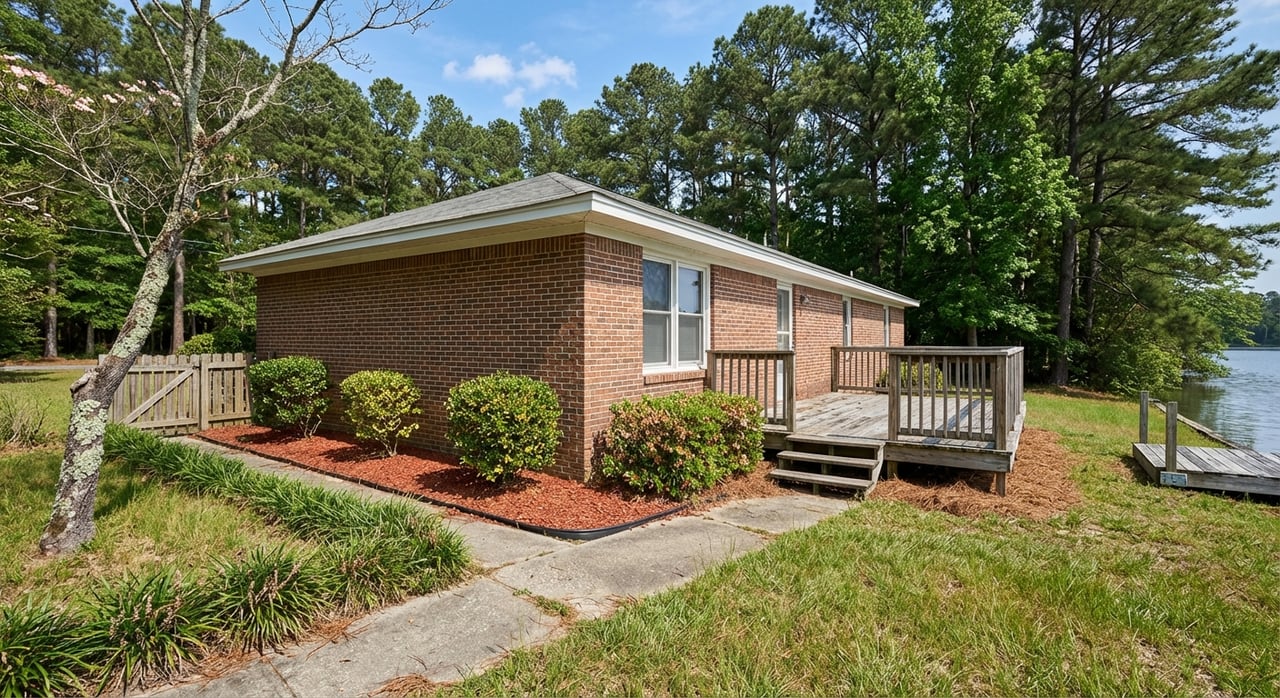
Selling a lake property in New London can feel simple at first. Then the real questions show up. What should you fix, what can you skip, and how do you make your home stand out in a market where buyers have options? If you want to sell with fewer surprises, stronger photos, and a cleaner launch, the right prep can make a big difference. Let’s dive in.
Know the New London market
Before you start painting walls or hauling furniture, it helps to understand the market you are stepping into. In March 2026, Realtor.com reported that New London had 19 homes for sale, a median listing price of $245,000, and a median of 131 days on market. Homes were closing at about 97% of list price, with the average February 2026 sale coming in 3.07% below asking.
That does not mean you cannot sell well. It means pricing, condition, and presentation matter more. In a slower, more buyer-leaning market, buyers tend to compare listings carefully and take more time deciding.
Start with the basics first
For most New London lake homes, cottages, and park-style properties, the best first steps are not major renovations. They are the simple things buyers notice right away. According to the 2025 NAR Profile of Home Staging, agents most often recommended decluttering, whole-home cleaning, curb appeal work, minor repairs, paint touch-ups, and landscaping.
That lines up with what works in many local lake and resort sales. Buyers want to see a property that feels easy to own, easy to maintain, and easy to enjoy. If your home looks clean, bright, and well cared for, you are already removing a lot of buyer hesitation.
Focus on decluttering
Clutter makes rooms feel smaller and distracts from what buyers are really trying to judge. They want to understand the layout, storage, and how the home lives day to day. That is especially important in smaller cottages, single-level homes, and seasonal properties where every inch matters.
Start by removing extra furniture, countertop items, off-season gear, and personal collections. If you use the property as a weekend place, pack it like you are preparing for a long trip. The goal is not to erase personality completely. The goal is to make the home feel open and easy to picture.
Deep clean every surface
A clean house signals care. In the same NAR staging survey, whole-home cleaning ranked near the top of recommended prep items.
Pay close attention to kitchens, bathrooms, floors, windows, baseboards, and high-touch surfaces. Lake properties can collect dust, pollen, cobwebs, and moisture-related grime faster than owners expect. Fresh, clean spaces also photograph better, which matters because online presentation drives early interest.
Improve curb appeal
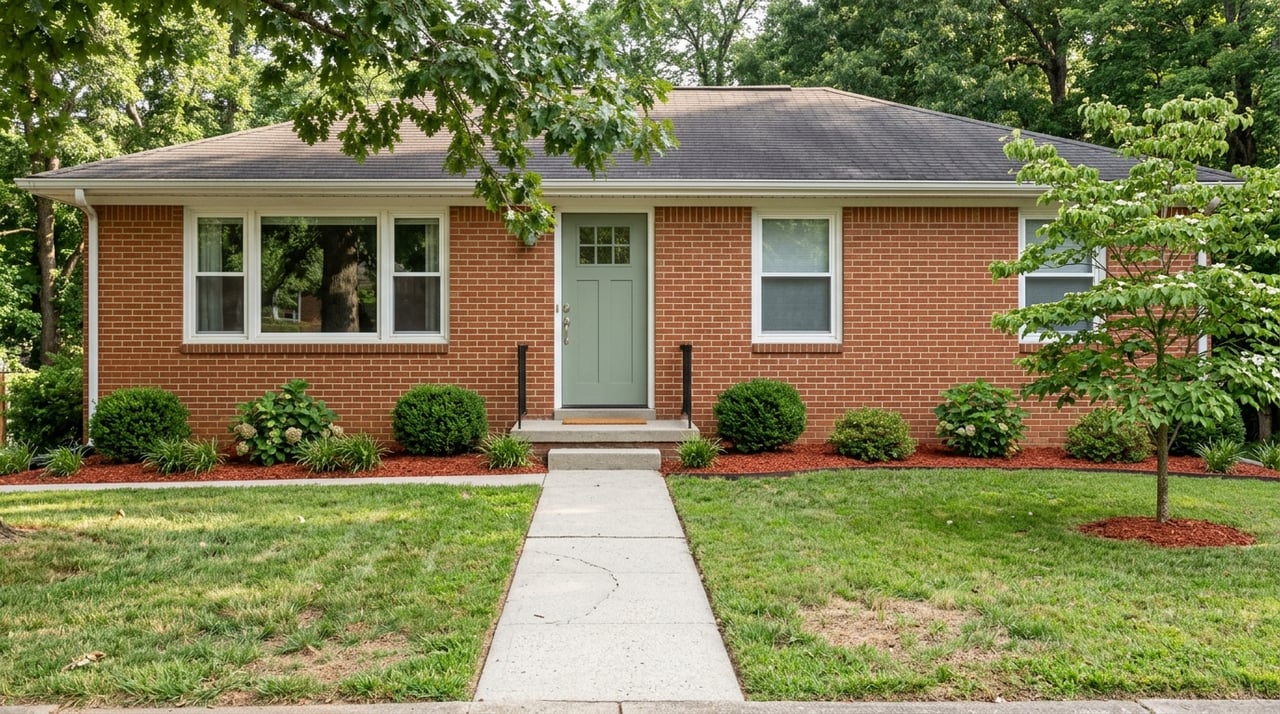
Your exterior creates the first impression for both photos and in-person showings. That includes the driveway approach, front steps, porch, deck, siding, roofline, and yard condition.
Simple updates can go a long way:
- Mow and edge the lawn
- Trim shrubs and low branches
- Refresh mulch if needed
- Sweep porches, steps, and decks
- Remove dead plants and unused outdoor items
- Clean outdoor furniture
- Touch up peeling paint where visible
For a lake property, outdoor space often carries extra weight. Buyers are paying attention to how easy it will be to relax outside, entertain, or enjoy the setting.
Fix the issues buyers fear most
Some repairs are cosmetic. Others can stop a sale or create lender problems. For lake homes and older properties, moisture and structural concerns deserve early attention.
HUD’s FHA property guidance notes that roof coverings must keep moisture out and should have at least two years of remaining life. The same guidance also points to septic systems as an area to check for signs of failure or surface malfunction.
That means you should address issues like:
- Roof leaks or missing shingles
- Soft spots in floors or subflooring
- Water stains on ceilings or walls
- Poor drainage around the home
- Musty odors or visible moisture concerns
- Obvious septic trouble
These are the kinds of issues that can make buyers nervous fast. They can also slow financing. If you know about a problem, it is usually better to deal with it before photos and showings begin.
Check older-home disclosure needs
If your home was built before 1978, federal rules generally require lead-based paint disclosure before sale. HUD and EPA disclosure requirements are part of selling many older homes, so it is smart to gather that information early rather than scrambling later.
You should also be ready for North Carolina residential disclosure requirements when applicable. The state’s Residential Property and Owners’ Association Disclosure Statement is one of the documents that often comes up during listing prep.
Verify flood and lake-use details early
Lake buyers often ask questions that go beyond the house itself. They want to know about flood status, insurance concerns, shoreline use, and permits tied to docks or improvements. If you can answer those questions early, your listing feels more complete and more credible.
The official place to review flood hazard information is FEMA’s Flood Map Service Center. FEMA also notes that lenders use these maps to determine flood insurance requirements and that standard homeowners insurance usually does not cover flood damage.
This does not mean every lake property is a problem. It means you should confirm the property’s status before listing so you are not surprised by buyer questions or lender requirements.
Review dock and shoreline paperwork
If your property is on a Duke Energy lake and you are planning repairs or updates to a dock, pier, shoreline stabilization, or similar feature, it is important to check requirements before doing the work. The research report notes that Duke Energy requires permits before changes are made to piers, docks, or shoreline property within the project boundary.
If you already have approvals, permits, or related paperwork, gather them now. If you do not, make a note of what exists and what may need clarification. That kind of preparation can help keep a transaction moving.
Stage for how buyers shop online
Most buyers will meet your home online before they ever step onto the property. In NAR’s 2025 Home Buyers and Sellers Generational Trends Report, 51% of buyers said the internet was their first source for finding a home. Among buyers who used the internet, 83% said photos were very useful.
That is why staging and photography matter so much. Your listing is not just competing on price. It is competing for attention.
Prioritize the most important rooms
The NAR staging survey found that buyers’ agents saw the most value in staging the living room, primary bedroom, and kitchen. Those spaces help buyers picture daily life, comfort, and function.
For many New London lake properties, a smart photo sequence starts with the strongest exterior or water-view image, then quickly shows the rooms buyers care about most. Clean sightlines, natural light, and a layout that feels easy to understand will usually do more for you than overdecorating.
Keep staging realistic
NAR also notes in its article on maximizing online visibility that the lead image helps set expectations for the entire listing and that early clicks, saves, and shares matter at launch. If a vacant home needs help, virtual staging may help buyers understand scale, but the presentation still needs to feel believable.
For most sellers, the safest approach is simple. Show the home as it truly lives. Avoid clutter that hides floor space, storage, or views. Make sure the listing photos match the in-person experience as closely as possible.
Time your launch carefully
Preparation works best when it is done before your ideal list date, not while the home is already live. Realtor.com’s 2026 timing report says the national best week to list was April 12 through 18 and notes that 53% of sellers take one month or less to get their home ready.
In a market like New London, where buyers have choices and inventory can feel more abundant, being ready for the spring window can matter. If you wait until the season picks up to start repairs, cleaning, or photography, you may miss your best launch opportunity.
A better plan is to work backward from your target date. That gives you time to finish the house, gather paperwork, and launch with strong photos and a clear pricing strategy.
Gather documents before you list
One of the easiest ways to reduce stress is to pull together the paperwork early. Lake and resort properties can involve more details than a typical sale, especially when there are shoreline features, septic systems, park rules, or ownership documents involved.
Try to gather items like:
- North Carolina disclosure forms, when applicable
- HOA or resort documents
- Septic records
- Flood-zone information
- Roof and repair receipts
- Dock or shoreline permits
- Lead-based paint disclosure materials for homes built before 1978
When these documents are ready from the start, your agent can price and market the property with better clarity. It also helps buyers feel more confident about what they are considering.
Skip the big remodel unless needed
In many cases, the best return does not come from major upgrades right before you sell. The research for this topic points to a clear takeaway: clean presentation, verified paperwork, and a realistic launch plan usually matter more than a large pre-sale renovation.
That is especially true for modest lake homes, cottages, and park-style properties where buyers are often looking for function, affordability, and lifestyle. If the home is clean, honest, and well presented, you may not need to over-improve it.
Work with a local plan
Selling a New London lake property is not just about getting it listed. It is about understanding how buyers will compare it, what questions they will ask, and how to present it clearly from day one.
If you are getting ready to sell around New London, Lake Tillery, or nearby resort communities, working with a local, hands-on brokerage can help you focus on what matters most and avoid wasting time on the wrong projects. When you are ready for practical guidance on pricing, prep, and marketing, connect with Patty Edwards for a free consultation.
FAQs
What should you fix before selling a New London lake property?
- Focus first on roof leaks, moisture issues, drainage problems, soft spots, septic concerns, and visible minor repairs. Buyers and lenders often react more strongly to these issues than to dated finishes.
How should you stage a small lake house in New London?
- Start with decluttering, deep cleaning, and improving curb appeal. Then give extra attention to the living room, primary bedroom, kitchen, and the strongest outdoor or water-view areas.
What documents do you need to sell a lake property in New London, NC?
- Common items include disclosure forms, septic records, flood-zone information, repair receipts, HOA or resort documents, dock or shoreline permits, and lead-based paint disclosures for many homes built before 1978.
How do you check flood status for a New London lake home?
- Use FEMA’s official Flood Map Service Center to review flood hazard information. Lenders may use that information to determine whether flood insurance is required.
When is the best time to list a New London lake property?
- Early spring can be a strong window, but the bigger advantage is being fully ready before demand picks up. Finishing repairs, cleaning, staging, and photos ahead of time can help your launch make a better first impression.