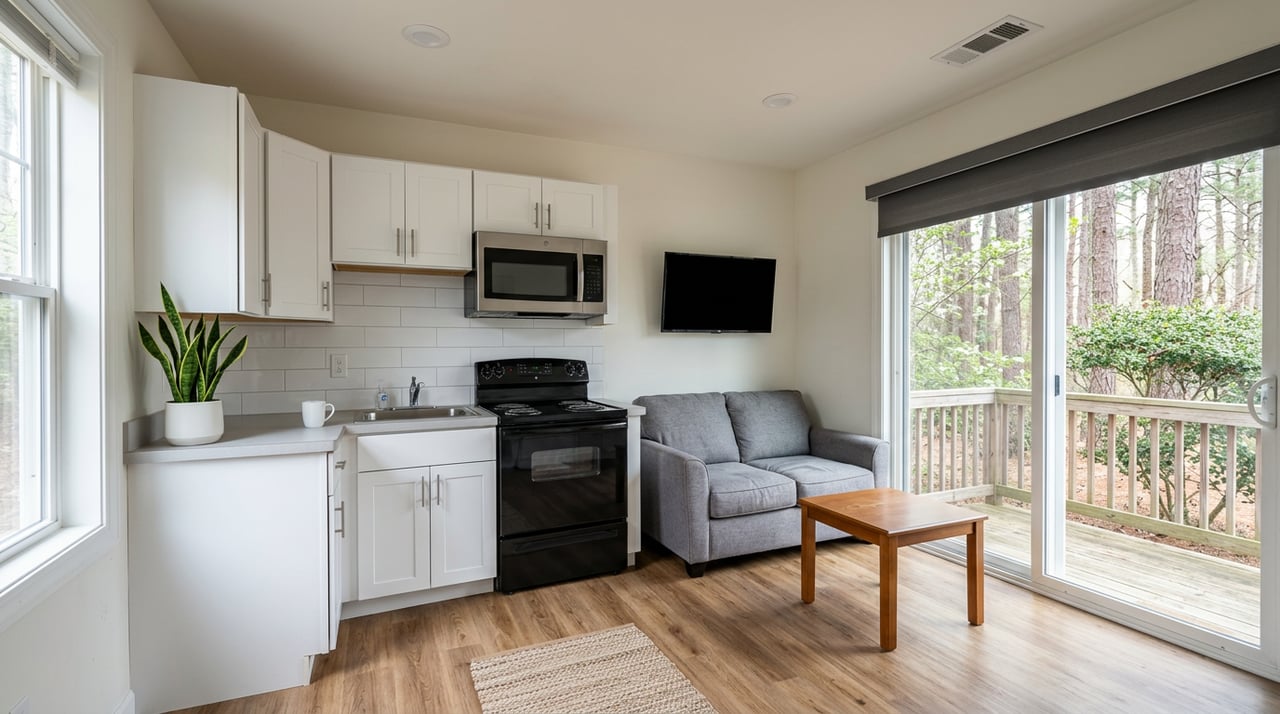
Ready to own a place at Lake Tillery without the large home price tag? Twin Harbor Campground in Mount Gilead gives you a practical way to enjoy the lake with community amenities and a laid‑back vibe. If you are curious about what you actually buy, how financing works, and which rules matter, you are in the right spot. This guide walks you through ownership types, price ranges, HOA expectations, and a step‑by‑step plan to buy with confidence. Let’s dive in.
What Twin Harbor offers on Lake Tillery
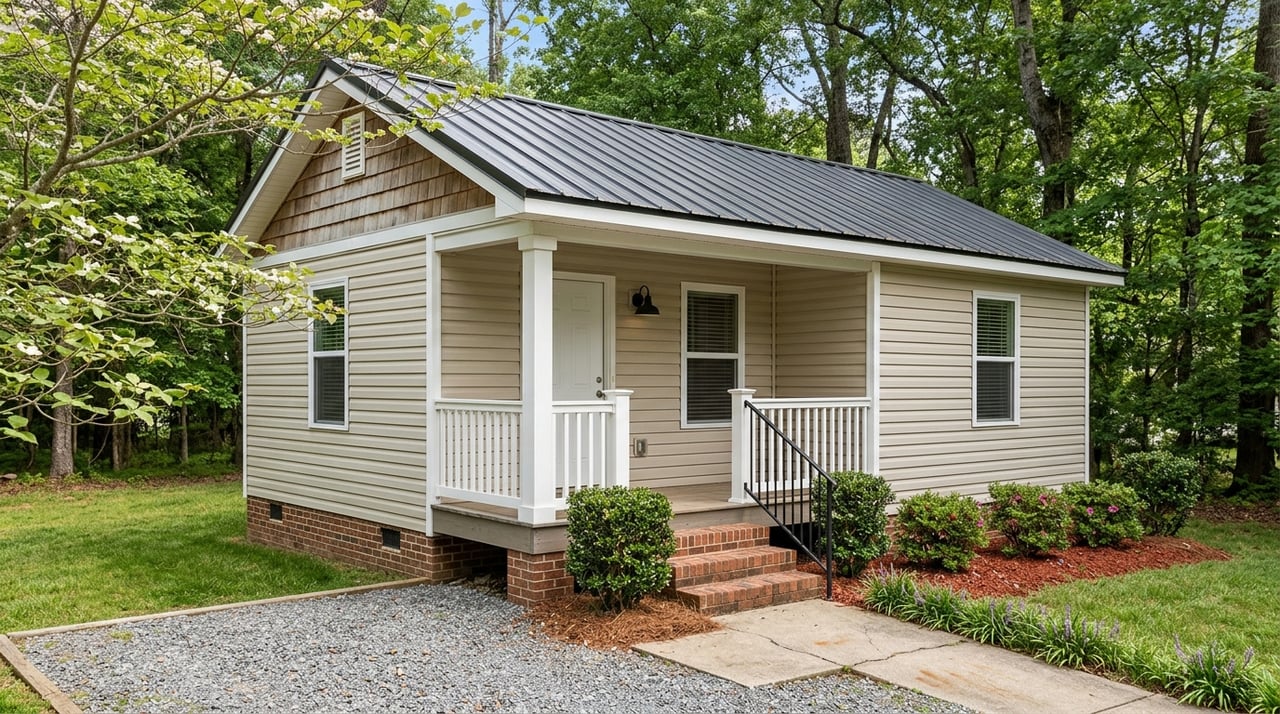
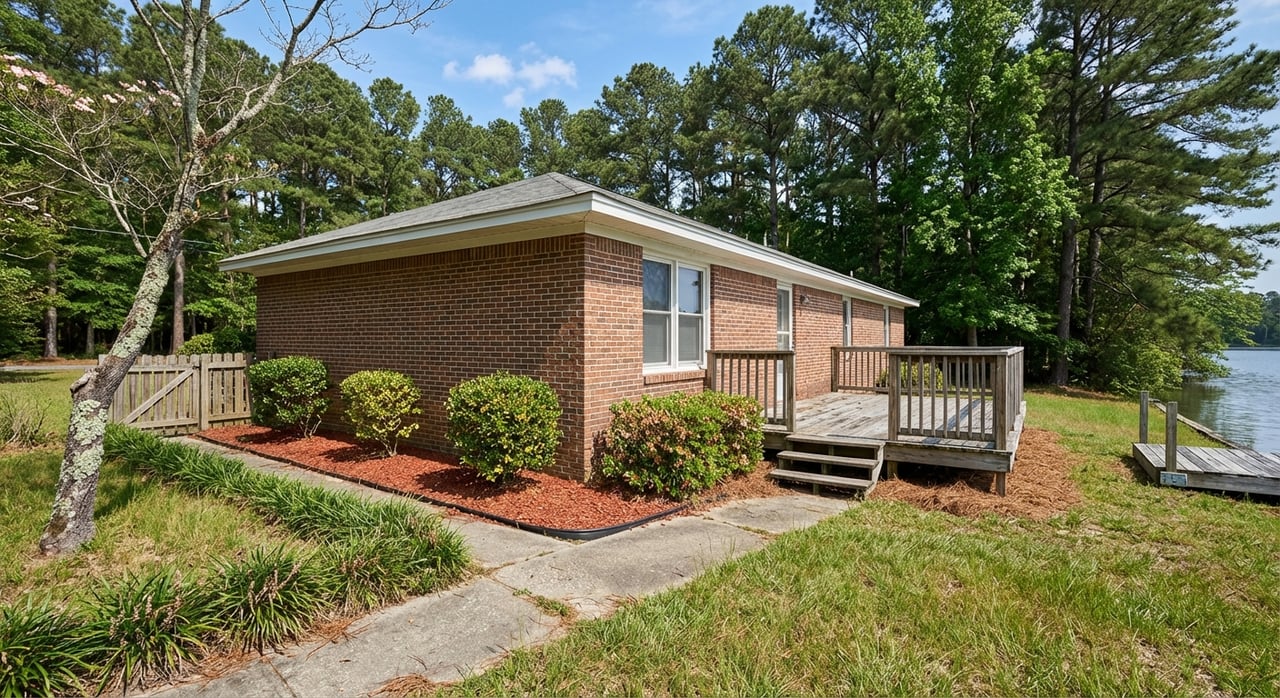
Twin Harbor is a gated campground and resort community on Lake Tillery with a mix of park‑model RVs, manufactured or mobile homes, and trailers on individual lots. You get practical, vacation‑friendly amenities like a store and cafe, pool, boat launches, on‑site security, and an office that manages owner services and a boat‑slip waiting list. You will see many privately owned lots and units, and listings often reference parcel numbers and county tax entries. Because ownership can vary by lot, you should always verify what you are buying for the exact parcel. Learn more on the community’s information page at the Twin Harbor owner site.
- Explore the community overview and owner resources on the Twin Harbor information page.
What you actually buy
Before you fall in love with a porch or a lake view, it helps to understand the product types and how they are classified in North Carolina. Classification affects financing, taxes, and what the title work looks like at closing.
Park‑model RVs
Many Twin Harbor units are park‑model RVs. By industry definition, a park model is a towable recreational unit built to the ANSI A119.5 standard with no more than 400 square feet of interior space. These are treated as recreational vehicles, not HUD‑regulated manufactured housing, which is why most do not qualify for a traditional 30‑year mortgage. Get the basics from the RV Industry Association’s park model overview.
Manufactured or mobile homes
Manufactured/mobile homes are different. In North Carolina, these homes are usually titled through the N.C. Division of Motor Vehicles unless the owner has permanently affixed the home and cancelled the DMV title so it runs with the land as real property. You must check the DMV title status and recorded land documents to know what you are buying. For a plain‑English explanation of this process, review this North Carolina guidance on determining whether a mobile home runs with the land as real property from Pierce Law.
Deeded lot vs. lease
Twin Harbor advertises many privately owned lots with parcel numbers and county tax records. Still, ownership or tenancy models can vary by section and lot. You need to confirm the recorded deed for the specific parcel and whether you are buying a deeded lot with a unit, a unit on a deeded lot, or some other arrangement. Start with the park’s owner resources and your agent’s title check.
Quick checklist: what to verify early
- Recorded deed for the lot and any easements or rights, including road and dock rights.
- DMV title status for the unit: VIN, current titled owner, liens, and whether the title has been cancelled and recorded as real property.
- Association documents specific to the section you are buying in.
Price ranges and value
Twin Harbor is a value‑driven micro‑market with a wide spread of options. Aggregated recent listings for “Twin Harbor” show lower‑end listings starting in the low $40,000s for basic or fixer units, moving through common bands in the $80,000 to $150,000 range, and reaching into the mid‑$200,000s for larger or updated setups. Waterfront or privileged locations can command higher prices. Use current MLS comps and county records for the most accurate pricing on the exact lot and unit you are considering.
How Twin Harbor compares locally
- Twin Harbor focuses on park‑model and RV‑style living with strong amenities and a social, recreational feel at lower entry prices.
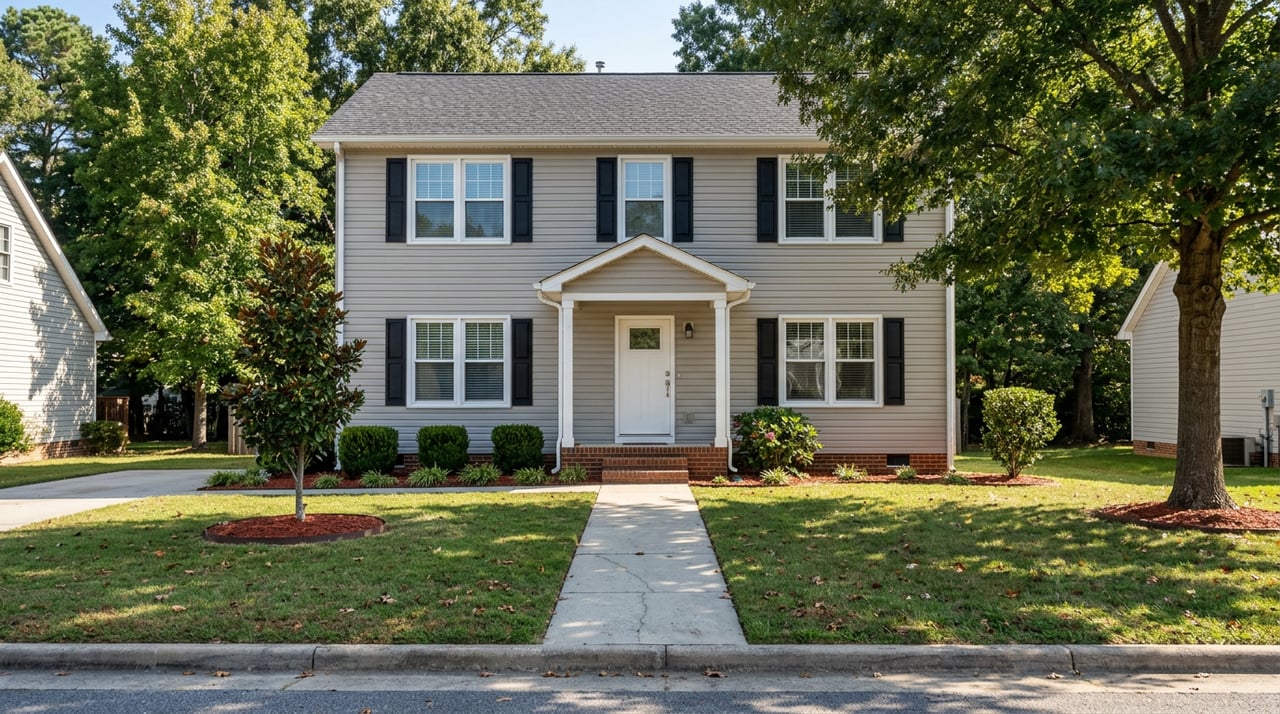
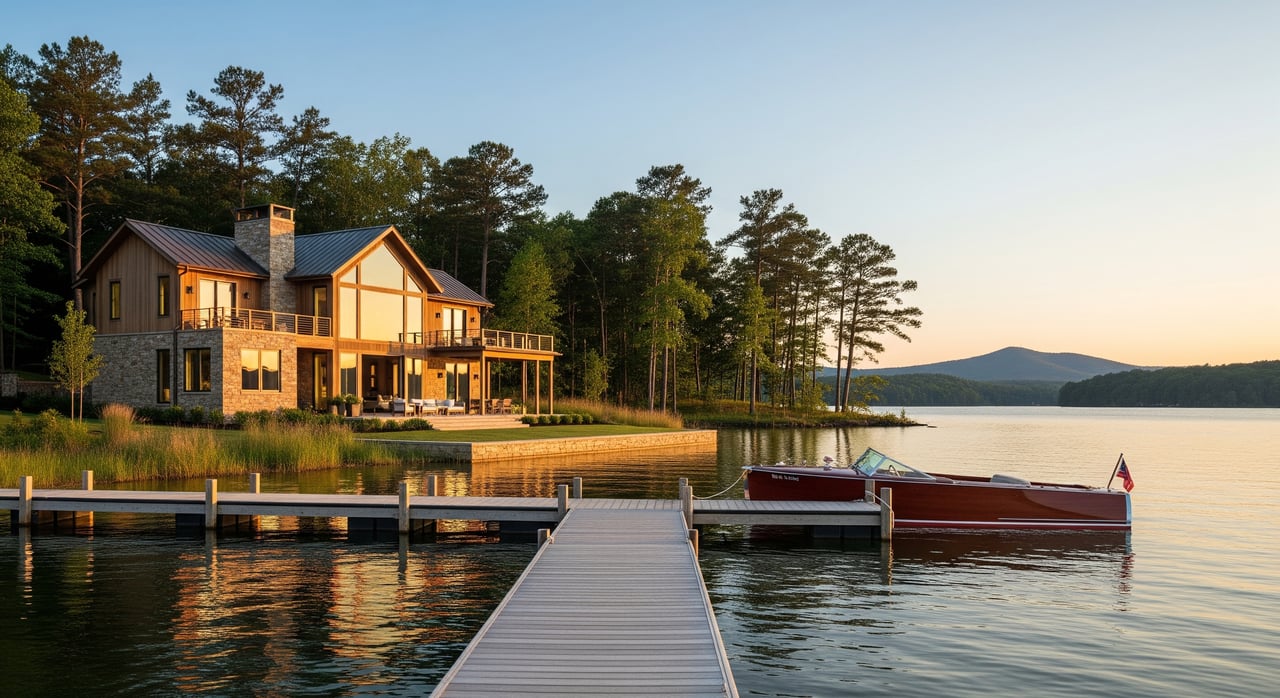
- Conventional Lake Tillery neighborhoods and gated subdivisions typically offer larger buildable lots and site‑built homes with higher price points and different HOA structures.
- If your goal is an affordable second home with boat access and community amenities, Twin Harbor is often a strong fit. If you need a larger, conventional home footprint and long‑term mortgage financing, a traditional subdivision may fit better.
HOA, rules, and on‑site services
Twin Harbor functions like a hybrid campground and property‑owners association. Amenities usually include a gated entrance, pool, cafe/store, playgrounds, recreational courts, and boat ramps, with the office managing a boat‑slip waiting list. See a summary of amenities on this Twin Harbor camping overview, and confirm details with the park office before you commit.
Association dues can vary by section and lot, with public listing data showing a broad range from the low hundreds to over $1,000 annually. Because fees and coverage differ, request the current dues schedule for the exact lot, and ask what the dues cover, such as roads, water or sewer, pool access, security, and dock maintenance.
Common rule topics to confirm in writing:
- Seasonal vs year‑round occupancy limits for your section
- Short‑term rental policy and any permit requirements
- Vehicle, boat, and trailer storage rules
- Standards for porches, decks, skirting, and exterior materials
- Pet policies and contractor/vendor access rules
- Whether your lot is sold by deed or another arrangement
Find owner resources and document contacts on the Twin Harbor information page.
Financing and insurance: set expectations early
Because many Twin Harbor units are park models classified as RVs, they typically do not qualify for a conventional 30‑year mortgage. Financing for park models commonly looks like RV loans, chattel loans, personal loans, a HELOC against other real estate, or occasional owner financing. If a manufactured home has been permanently affixed and the DMV title fully cancelled and recorded, longer‑term mortgage options may be possible. Start by confirming the unit’s classification. For fundamentals, see the RVIA’s park model classification.
The Twin Harbor owner site notes that “there is not financing available here in Twin Harbor” as a general observation and points buyers toward cash, HELOCs, and personal loans, with occasional owner financing appearing. Review those details on the park’s information page. Some specialty lenders work with park‑model and manufactured home loans, such as programs referenced by industry lenders like 21st Mortgage and other chattel lenders. You can explore examples of these programs through specialty lender resources, but always verify availability and terms in North Carolina.
For insurance, classification and location drive cost. Park models and manufactured homes have different policy types, and lake‑adjacent lots can have unique flood considerations. Ask your insurer for quotes based on the exact address and whether the unit is a second home or rental. Check FEMA flood maps for the parcel and ask the HOA or park office whether your lot sits in a managed flood area.
Due‑diligence checklist before you commit
Protect your deposit by building the right contingencies into your contract and using your inspection period well. Prioritize these items.
1) Title and ownership
- Get a copy of the recorded deed for the lot and confirm exactly what transfers to you, including any dock or road rights.
- Pull the DMV title history for the unit by VIN to confirm ownership, lien status, and whether the title has been cancelled and recorded as real property. This North Carolina overview explains the conversion and title‑cancellation concept in simple terms from Pierce Law. You can also reference the N.C. DMV’s administrative rules for title matters.
- Include a title search contingency that covers both the deed and the DMV title, and require the seller to clear liens before closing.
2) HOA and financial review
- Request CC&Rs, bylaws, current rules and regulations, budget, recent financial statements, reserve details, meeting minutes, and any special assessment notices.
- Confirm what your dues cover and whether short‑term rentals are permitted.
- Ask the park office for the current boat‑slip policy and your position on the waitlist. See the owner resources to start those conversations.
3) Physical inspections
- Hire a manufactured‑home or park‑model specialist to inspect the structure, skirting, tie‑downs, roof, HVAC, plumbing, and electrical.
- Verify water and sewer service type, and inspect septic if applicable.
- Check for moisture or water intrusion, site drainage, road access, and general lot condition.
4) Utilities and services
- Confirm providers and whether utilities are individually metered for water, sewer, electric, gas, and internet.
- Ask about road maintenance responsibilities, gate access, and vendor access rules.
5) Zoning and permitted use
- Confirm county zoning for the parcel, especially if listings reference “RV” or “Residential Camp” style zoning.
- Get written confirmation of any seasonal occupancy limits and rental rules for your section.
6) Closing mechanics
- Require seller warranties of clear title to both the deed and the unit title, plus written assignment of any boat‑slip or dock rights.
- Obtain an HOA estoppel letter that confirms dues, assessments, and restrictions.
- Keep contingencies for inspections and financing in place until you have hard answers and documents in hand.
A simple step‑by‑step buying plan
A clear process keeps you focused and reduces surprises.
Step 1: Pre‑visit preparation
- Review current listings for Twin Harbor and note parcel IDs and the unit’s details.
- Call the park office to request CC&Rs, bylaws, current rules, budget, and the boat‑slip waitlist policy. Use the contacts on the Twin Harbor information page.
Step 2: On‑site visit
- Walk the lot with a contractor or manufactured‑home inspector if possible.
- Verify utility hookups, skirting, tie‑downs, and whether wheels or axles have been removed.
- Ask to see the unit’s data plate and DMV title papers with VIN.
Step 3: Legal and title checks
- Order a county deed search and request the DMV title history.
- Review an HOA estoppel letter and confirm any liens.
- If a question arises about title cancellation or affixation, consult a North Carolina real estate attorney familiar with manufactured housing.
Step 4: Financing and closing
- Decide on your financing path early: cash, HELOC, personal or RV/chattel loan, or possible owner financing.
- If you require mortgage‑style terms, insist on evidence that the home has been converted to real property and that recorded documentation exists.
- Keep contingencies in place until you receive and approve all documents and inspection results.
Is Twin Harbor right for you?
Choose Twin Harbor if you want an affordable, low‑maintenance lake getaway with practical amenities and a fun, community atmosphere. It can also work well if you are an investor seeking a modest, rentable seasonal unit and you are comfortable working within park rules. If you need a larger home footprint, full conventional mortgage financing, or different zoning, compare options in traditional Lake Tillery communities.
Buying in Twin Harbor is straightforward when you know what to verify and who to ask. If you are ready to explore available lots and units or want help building a smart plan, reach out to Patty Edwards to get started.
FAQs
How does ownership work for Twin Harbor campground homes?
- Many lots and units are privately owned and deeded, but ownership can vary by section and lot. Always confirm the recorded deed for the parcel and the DMV title status for the unit using the park’s owner resources and a title search.
What types of homes are in Twin Harbor, and why does classification matter?
- You will see park‑model RVs and manufactured/mobile homes. Park models are RVs under the ANSI A119.5 standard, which affects financing and taxes. Manufactured homes may be real property only if the DMV title has been cancelled and recorded. See RVIA and Pierce Law.
What are typical prices for Twin Harbor units?
- Recent listing snapshots show a range from the low $40,000s for basic or fixer units up through the mid‑$200,000s for larger or updated setups, with special locations commanding more. Verify current comps for the exact lot and unit you are considering.
Can I get a 30‑year mortgage on a Twin Harbor park model?
- Usually not. Park models are classified as RVs and typically do not qualify for conventional 30‑year mortgages. Buyers often use cash, HELOCs, personal or RV/chattel loans, or occasional owner financing. See the Twin Harbor info page and RVIA for context.
How do boat slips work at Twin Harbor?
- The park office manages a boat‑slip waiting list and assignments. Do not assume availability. Request the written slip policy and your current waitlist position from the office via the owner resources page.
What HOA documents should I review before buying?
- Ask for CC&Rs, bylaws, rules and regulations, current budget, recent financial statements, reserve details, meeting minutes, and any special assessment notices. Confirm what dues cover and all rules that affect your intended use.