Buying your first home in a small market like Troy can feel exciting and a little overwhelming. You might be wondering how much to save, which loans fit your budget, or what to expect from inspections on older or rural properties. You’re in the right place. This guide breaks down Troy-specific price expectations, first-time buyer programs in North Carolina, inspection musts for Montgomery County, and a simple timeline from pre-approval to keys. Let’s dive in.
What your budget buys in Troy
Troy is a small, rural market in Montgomery County. Because the town has limited inventory, median prices can swing from month to month. That’s normal here. In general, you can expect many first-time buyer options in roughly the $130,000 to $400,000 range, with some lake-area or newer homes above that. Exact medians move as listings come and go, so you’ll want to look closely at recent solds over the past 6 to 12 months when you’re ready to make offers.
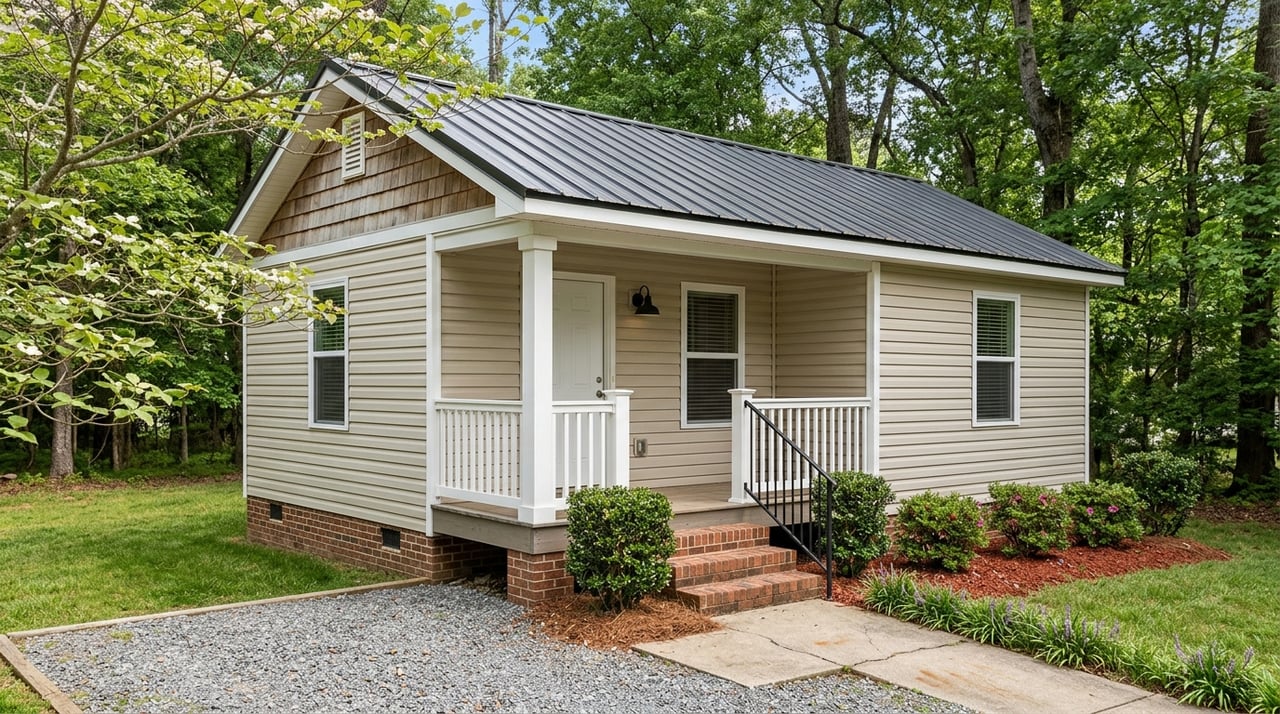
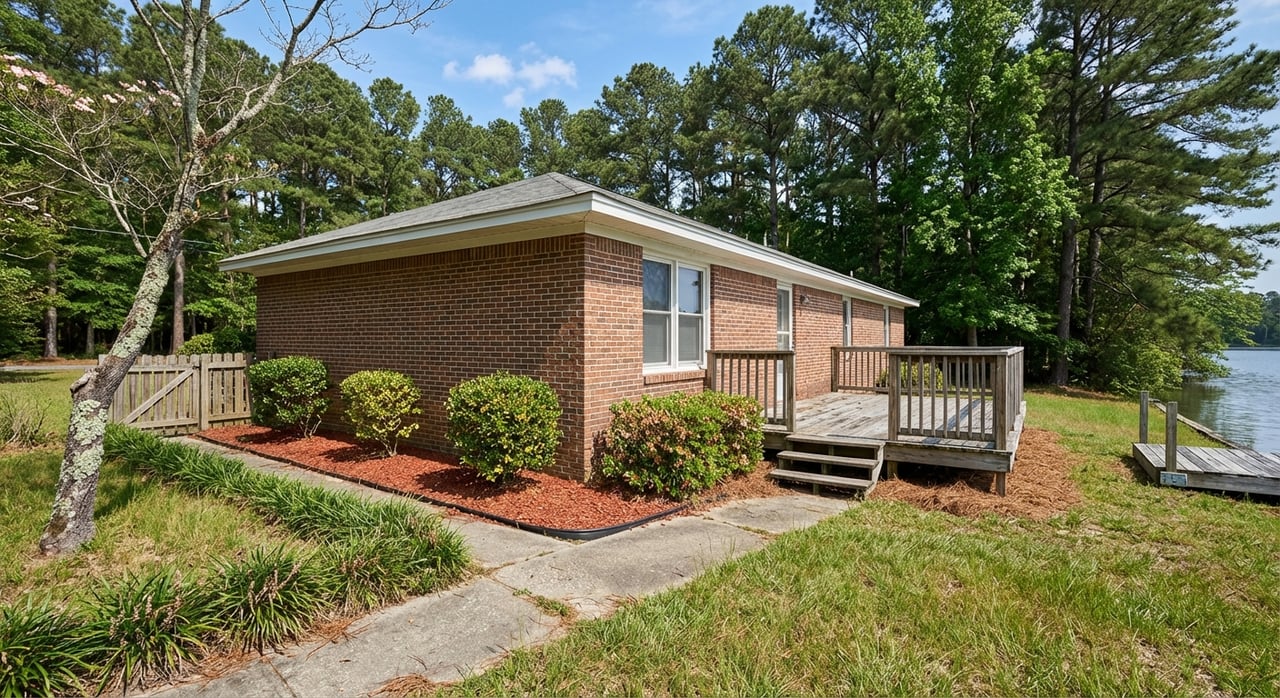
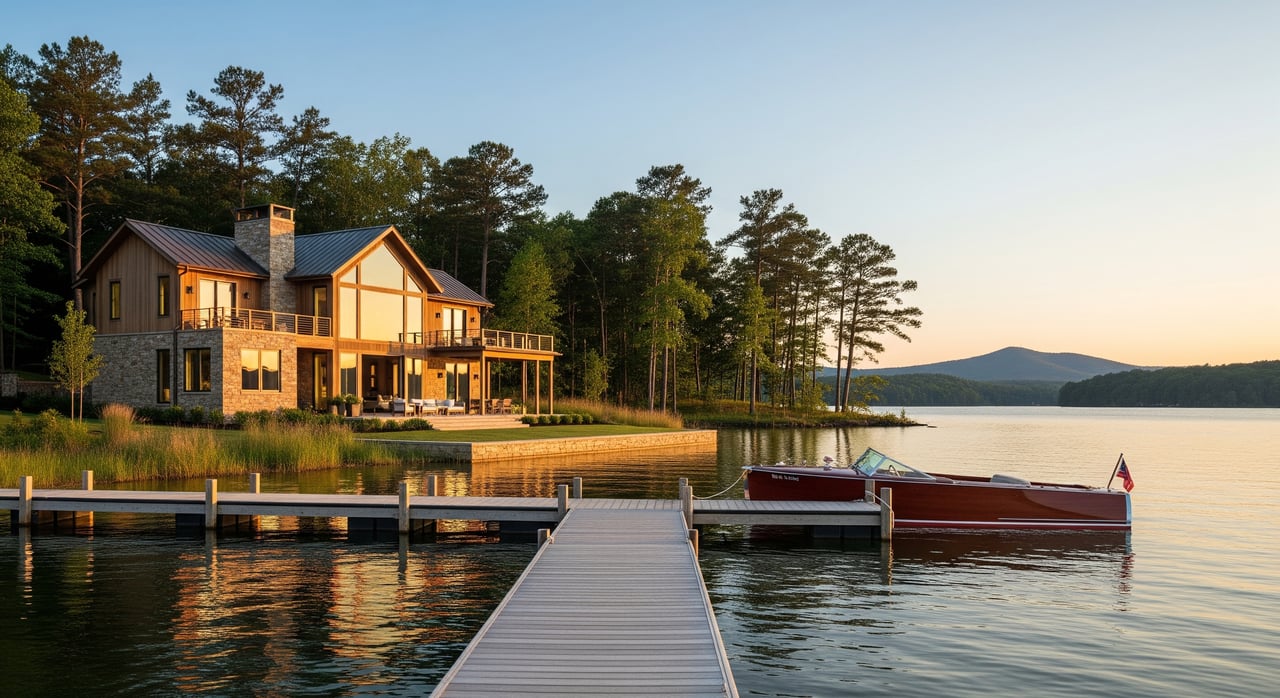
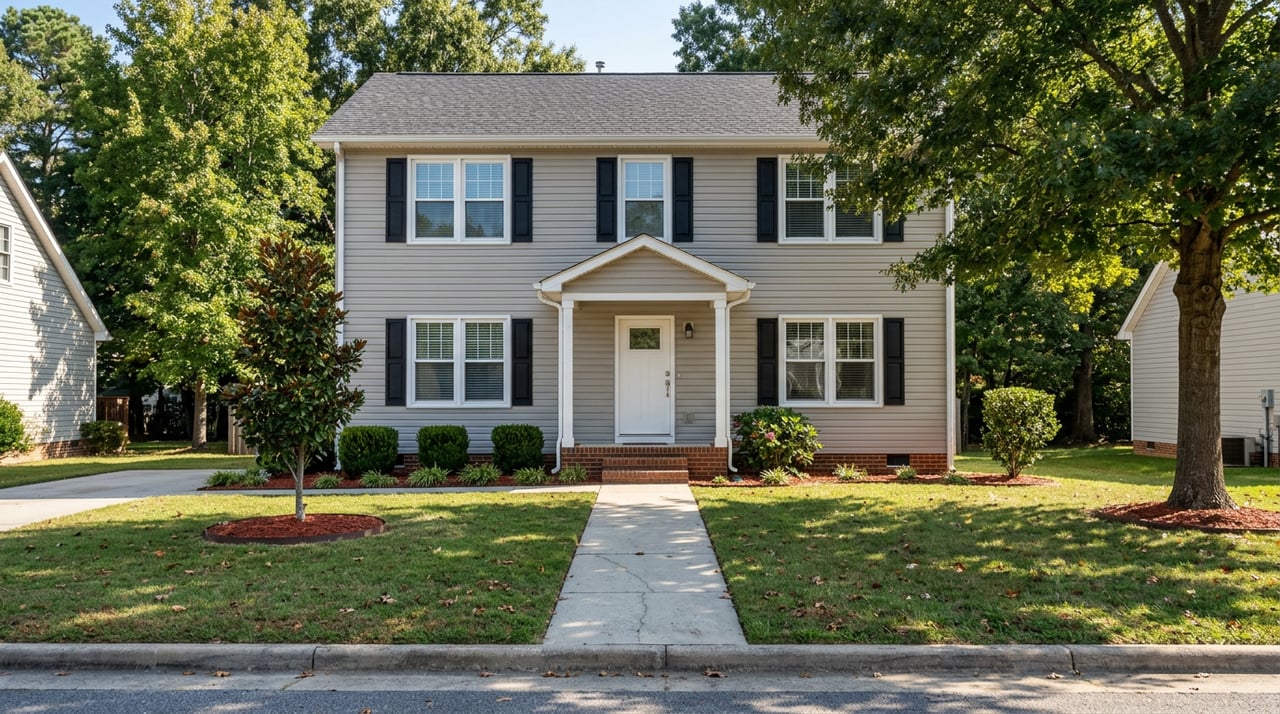
You’ll see a wide mix of home types: brick ranches, bungalows, modest two-story homes, and some manufactured or modular homes on acreage. Much of the local housing stock is older, so plan for routine updates or system maintenance. If you’re aiming for waterfront or near Lake Tillery, prices often sit above the town’s typical range.
Get pre-approved early
Pre-approval is your first real step. It shows sellers you’re serious and helps you learn your true price range before you tour homes.
- Ask 2 to 3 lenders for written pre-approvals and compare offers, fees, and timelines. The Consumer Financial Protection Bureau explains why pre-approval matters and what it includes in its guide to getting a pre-approval letter. You can review the steps and documents to prepare on the CFPB’s page for pre-approval: what a pre-approval involves and why it helps.
- Gather key documents ahead of time: recent pay stubs, W-2s or 1099s, two months of bank statements, a photo ID, and rent history if you have it.
- Shop your loan. The CFPB recommends comparing Loan Estimates so you can evaluate total cost, not just the rate. See their checklist in Shopping for a Mortgage.
First-time buyer loans and assistance in NC
North Carolina offers several programs that can help first-time buyers. Rules and income or price limits change, so confirm details with a participating lender before you apply.
NC Home Advantage Mortgage
The North Carolina Housing Finance Agency’s NC Home Advantage Mortgage can be used by first-time and move-up buyers through participating lenders. It also offers down-payment assistance options, including assistance up to about 3 percent of the loan amount for eligible borrowers. Review current program features and ask your lender about today’s limits and timelines on the NC Home Advantage Mortgage page.
Mortgage Credit Certificate (MCC)
If you qualify, an MCC can reduce your federal tax liability by up to a capped amount per year, often up to $2,000 annually, subject to program rules. It must be issued through a participating lender before you buy. Learn more on NCHFA’s page for the Mortgage Credit Certificate.
USDA Rural Development loans
Much of Montgomery County can qualify for USDA financing, which may allow low or zero down payment for eligible borrowers and properties. Eligibility depends on the home’s address and your income. Check an address on the USDA site’s property eligibility tool, or speak with a USDA-approved lender.
Conventional 3 percent down options
Conventional programs like Fannie Mae’s HomeReady allow as little as 3 percent down for qualifying buyers. These loans require private mortgage insurance (PMI) unless you put 20 percent down, but PMI can often be removed later once you reach about 20 percent equity. Get the basics from Fannie Mae’s page on HomeReady.
FHA loans
FHA loans commonly allow a 3.5 percent down payment for borrowers who meet credit and income guidelines. FHA loans require mortgage insurance premiums for at least part of the loan term. Read an overview of down payment requirements and how credit affects them on FHA’s down payment guide.
VA loans
If you’re an eligible veteran or service member, VA-backed loans may allow low or zero down payment, depending on your entitlement. Ask a VA-experienced lender to check your eligibility and outline your total costs.
Plan your costs
Budgeting early helps you move fast when the right home hits the market. Here are simple, Troy-friendly examples to frame your savings plan. Your lender will give you a customized estimate based on your credit, rate, and loan type.
- Lower-end starter example: Purchase price $140,000
- 3 percent down payment: $4,200
- Estimated closing costs at 2 to 5 percent: about $2,800 to $7,000
- Estimated annual property taxes at roughly 0.6 to 0.75 percent: about $840 to $1,050
- Mid-market example: Purchase price $225,000
- 3 percent down payment: $6,750
- Estimated closing costs at 2 to 5 percent: about $4,500 to $11,250
- Estimated annual property taxes at roughly 0.6 to 0.75 percent: about $1,350 to $1,700
Closing costs include lender fees, title and settlement services, escrows for taxes and insurance, and recording fees. The CFPB suggests comparing official Loan Estimates so you can evaluate fees apples to apples. Their guide explains how to do that: Shopping for a Mortgage.
If you qualify for NC Home Advantage down-payment assistance, your out-of-pocket cash at closing may be lower. Ask your lender to show two scenarios: with and without assistance.
Inspections and due diligence in Montgomery County
Inspections protect you in any market, and they are especially important with older homes and rural properties.
- Standard home inspection: A typical buyer’s inspection often ranges around $300 to $500 depending on size and age of the home. Plan extra for specialty inspections like roof, HVAC, chimney, mold, radon, septic, or well. Attend if you can and ask for a clear, photo-rich report.
- What inspectors check: roof, foundation, structure, electrical, plumbing, and HVAC; they also watch for moisture and visible pest issues. Use a trained inspector and review a checklist like this home inspection essentials to prepare questions.
- Rural specifics: Many properties outside the town center use private wells and septic systems. Always verify well water quality and septic capacity and request service records. If a property includes a manufactured home, accessory building, or additional dwelling unit, confirm permits and allowed uses with the county.
- Flood and lakeside checks: If you are considering a lakeside or low-lying parcel near Lake Tillery, review updated FEMA flood maps and insurance requirements. North Carolina’s emergency management office announced new digital maps for Montgomery County. See the state update on new Montgomery County digital flood maps and ask your insurer to quote flood coverage if needed.
Appraisal basics
If you’re financing the purchase, your lender will order an appraisal to confirm the home’s value. This is separate from your inspection and focuses on market value and comparable sales. Appraisal costs vary by loan type and property.
If the appraised value comes in lower than your contract price, you have a few options. You can negotiate a price reduction with the seller, bring in more cash to cover the gap, ask the lender about a reconsideration of value, or cancel if your contract allows. Your lender and agent will walk you through the right strategy for your loan type.
Timeline from search to keys
Every buyer’s path is a little different, but here is a realistic framework for Troy and greater Montgomery County.
- Pre-approval: about 1 to 7 days, depending on how quickly you provide documents and how responsive your lender is. Review the CFPB’s guide to getting a pre-approval letter.
- House hunting and contract: a few weeks to a few months based on inventory and your must-haves.
- Under contract to closing: about 30 to 60 days for many conventional or FHA loans. USDA and VA timelines can run longer due to additional reviews. If you use NCHFA assistance, ask your lender how it affects timing so you can plan your move.
Local living snapshot
As the county seat in a rural area, Troy offers small-town pace and access to outdoor recreation around Lake Tillery and Uwharrie National Forest. For families, you can explore district details directly through Montgomery County Schools. If schools are part of your decision, review objective information and bus routes on official district resources and speak with the district for the latest updates.
How a local broker helps first-time buyers
A hands-on local agent saves you time by focusing your search on homes that match your budget and lifestyle. In Troy and around Lake Tillery, that also means reading between the lines on older systems, manufactured homes, well and septic needs, and flood considerations that do not always show up clearly online. You also get help comparing loan options, scheduling inspectors, and negotiating based on real, recent solds.
If you want clear answers, fast scheduling, and a guide who knows lake, resort, and small-town properties, reach out to Patty Edwards for a free consultation.
FAQs
How much cash do I need to buy a first home in Troy?
- Many first-time buyers use 3 percent down conventional programs or 3.5 percent down FHA loans. Add about 2 to 5 percent for closing costs, plus reserves for moving and repairs. If you qualify, NC Home Advantage assistance can reduce your out-of-pocket.
Which is better for me: FHA or a 3 percent down conventional loan?
- It depends on your credit, down payment, and how long you plan to keep the loan. FHA includes mortgage insurance premiums that can be more expensive over time, while conventional loans require PMI but may allow you to cancel it once you reach about 20 percent equity. Ask your lender to model both.
Can I use a USDA loan to buy in Troy?
- Possibly. Many Montgomery County addresses are USDA-eligible, but it is property specific. Check an address using the USDA property eligibility tool or ask a USDA-approved lender to verify.
What inspections should I never skip in Montgomery County?
- Always get a standard buyer’s home inspection. For rural homes, add well water testing and a septic inspection. Consider roof, HVAC, and pest inspections based on your inspector’s advice and the home’s age.
How long does it take to close once I’m under contract?
- Many conventional and FHA loans close in about 30 to 60 days if documents move on time. USDA and VA may take longer due to extra reviews. Confirm timelines with your lender at pre-approval so you can plan your move.