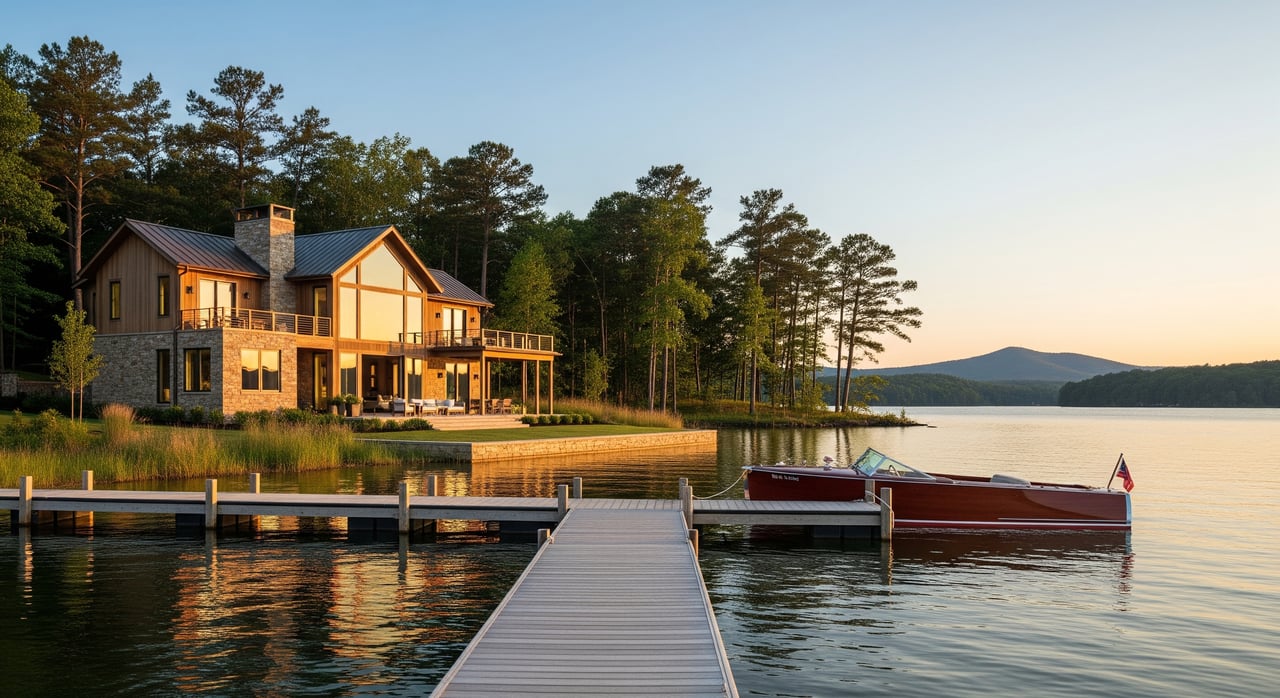
Dreaming of weekend mornings on calm water without a long drive? If you live in or near Mount Gilead, Lake Tillery puts a classic North Carolina lake lifestyle right at your doorstep. You want it to be easy, fun, and worth the time and money. This guide shows you how to make lake living simple from Mount Gilead, what to look for in properties, and the steps that keep you confident through closing and beyond. Let’s dive in.
Why Lake Tillery works from Mount Gilead
Lake Tillery sits in central North Carolina on the Yadkin–Pee Dee river system. It blends power generation with public recreation, so you get a true boating and fishing lake with an inviting small-town pace. From Mount Gilead, you can reach popular shoreline areas by a short drive, which makes day trips and quick overnights realistic.
Most buyers love the contrast. You keep a quiet base in town with essential services while the lake provides the action when you want it. Peak activity runs from late spring through early fall, and weekdays are usually more relaxed. If you plan ahead for busier weekends and holidays, you can keep your routine smooth all season.
Choose your lake home base
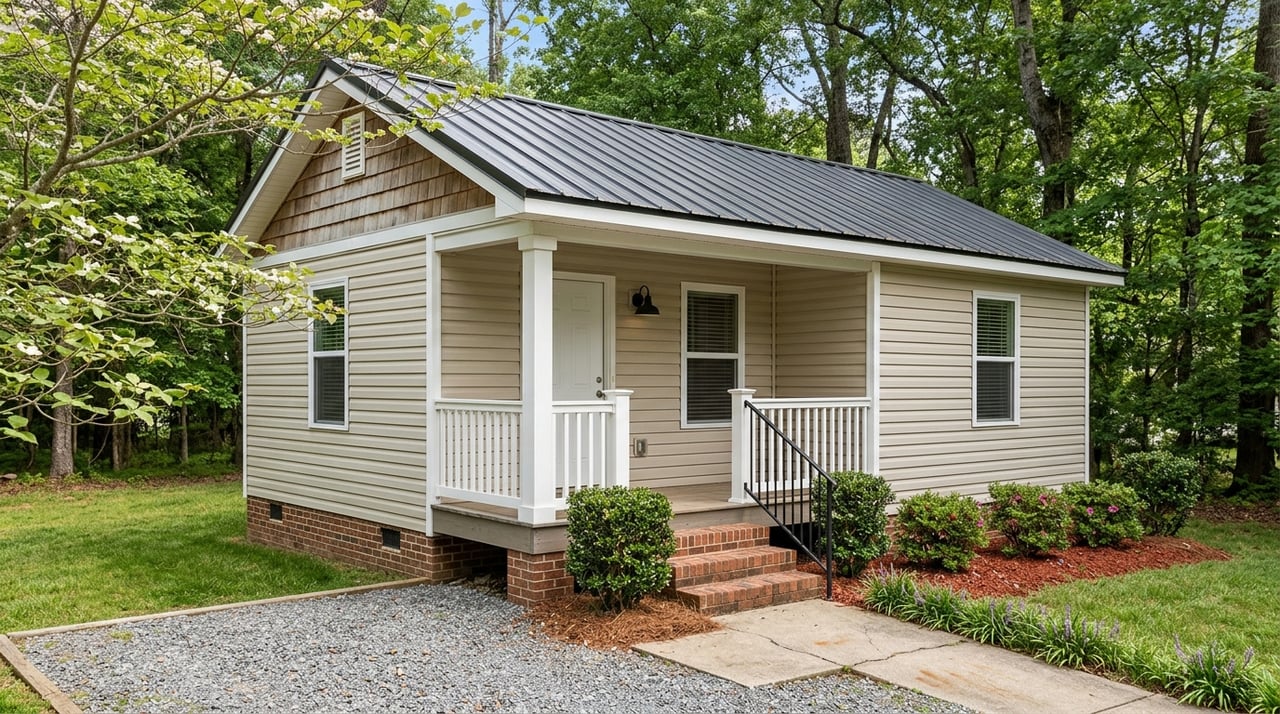
Lake Tillery offers a range of property types. Your best fit depends on how you plan to use the home and how much maintenance you want.
Waterfront homes
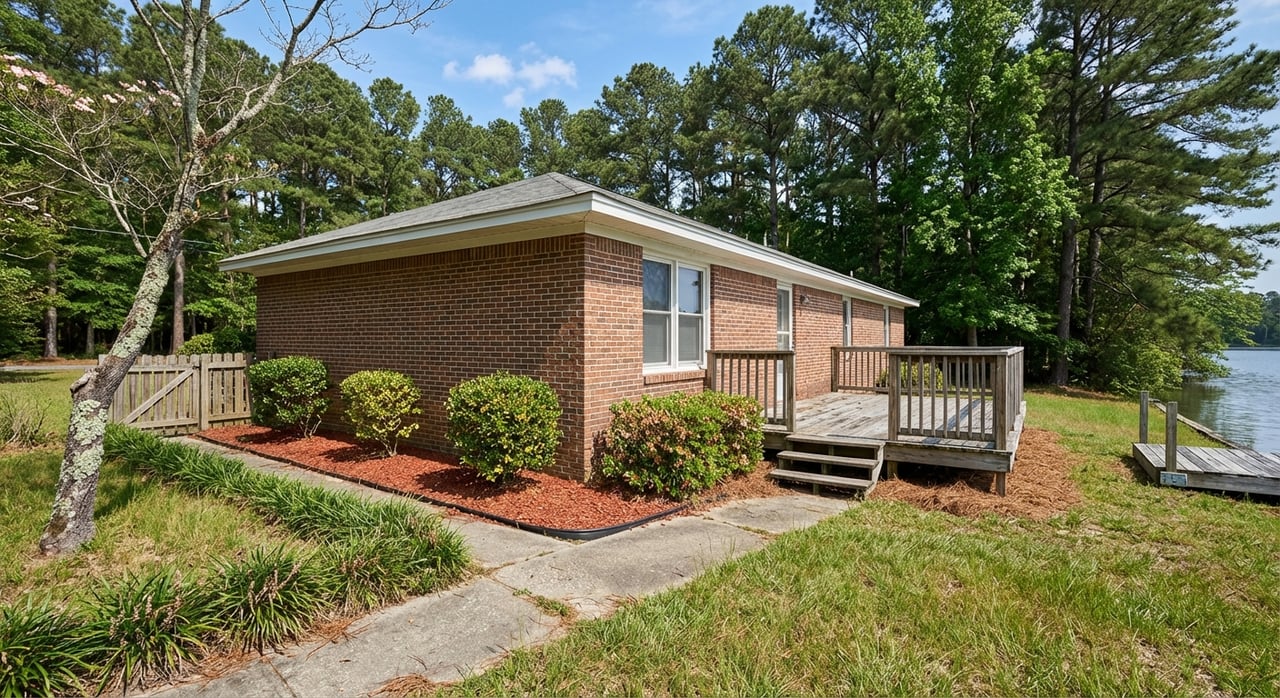
Waterfront single-family homes come in many forms, from older cottages to newer custom builds. Many include private docks or boathouses. Docks and shoreline structures often require approvals from the reservoir operator and county, so you want clear documentation before you buy. Waterfront lots usually command a premium because of direct water access.
Near-water homes
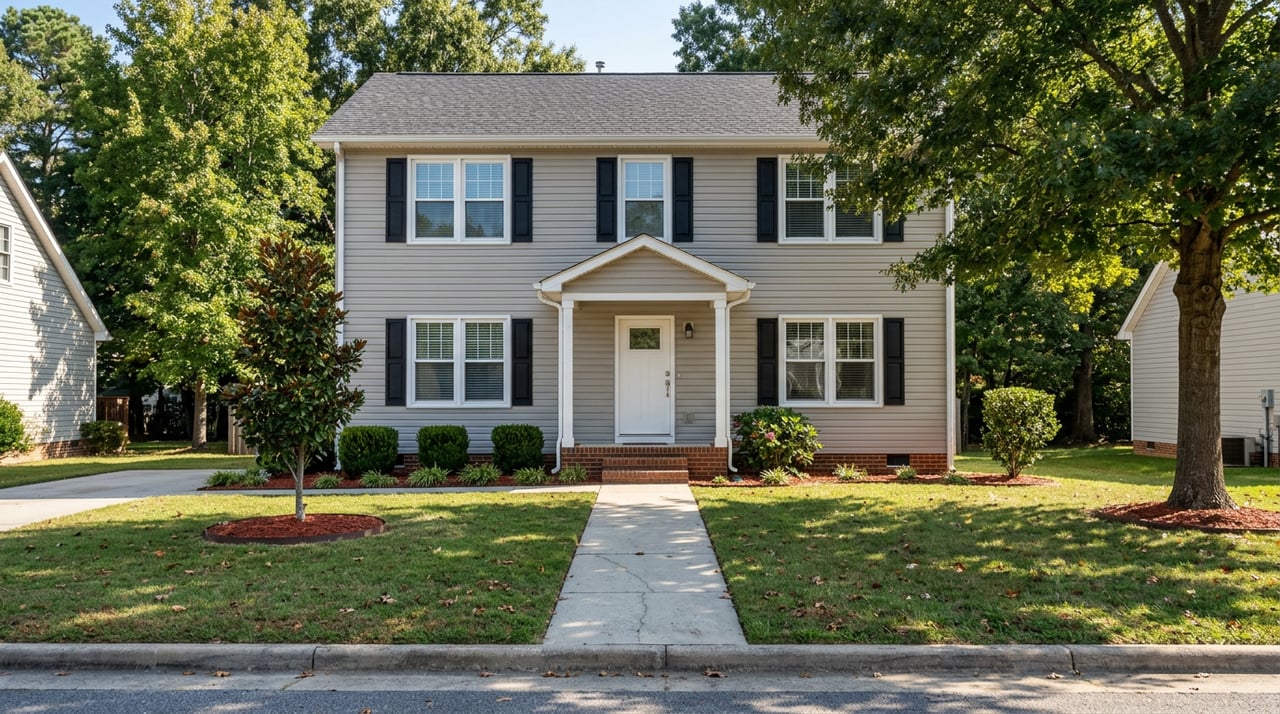
Near-water homes sit a short drive from marinas or public ramps. They can deliver an easier maintenance profile and a lower upfront cost than waterfront. If you plan to trailer a boat or prefer kayak and paddleboard days, this can be a smart balance. Check where you will launch, how you will store gear, and parking options for guests.
Vacant lots and custom builds
Some buyers choose a vacant waterfront lot with plans to build later. This approach gives you control over design and dock layout. It also means deeper due diligence on shoreline rules, septic capacity, setbacks, and materials. If you like to plan in phases, outline the permitting path and costs early.
Access and recreation essentials
Living the lake life is easier when you map out how you will get on the water and what you will do once you are there.
Boating and marinas
You will find a mix of public boat ramps and private marinas around Lake Tillery. Public ramps work well for day-trips with a trailer. Private marinas offer slip rentals, fuel, and services, but availability can be limited, especially on peak weekends. Some lake communities hold slips for owners, so ask about access before you choose a neighborhood.
Fishing basics
Anglers enjoy species that are common in Piedmont lakes, including bass, crappie, and catfish. Regulations and stocking change over time, so confirm current rules with the North Carolina Wildlife Resources Commission before you head out. If fishing is a priority, ask locals about seasonal patterns and water clarity at different times of year.
Seasonality and water levels
Late spring through early fall is the busiest period on the lake. Weekends and holidays draw the largest crowds. Water levels can shift with weather and power generation, which can affect dock usability and ramp access. Plan your first visits in both high and low seasons so you see real conditions.
Communities and HOAs to know
Neighborhoods around Lake Tillery vary widely. You will see established subdivisions, gated communities with amenities, and areas with scattered homes and cottages.
Twin Harbors and similar developments
Communities such as Twin Harbors often provide a mix of lot sizes and may include community docks, marina access, or boat storage. Each development operates under its own rules and HOA documents. Review covenants and restrictions early so you understand design standards, parking, storage, and use rules.
Private docks and marina access
Some neighborhoods allow or assign private docks, while others rely on shared facilities. Costs and priorities vary by HOA and shoreline rules. If a private dock matters to you, ask for written proof of permits and any maintenance obligations tied to the property.
Permits, utilities, and inspections
Planning ahead on the fundamentals will save you time and risk during due diligence.
Shoreline and dock permits
Shoreline structures usually need approvals from the reservoir operator and county. That includes docks, boathouses, lifts, and major repairs. Before you make an offer, ask for copies of existing permits and any correspondence about past or pending requests. Confirm that planned upgrades will be allowed.
Septic and well
Many lake properties use private septic systems and wells. Order a recent septic inspection and a well water test. Understand system age, layout, and capacity, especially if you plan to expand. Good records reduce surprises, and proper maintenance keeps your systems running through peak season.
Flood risk and insurance
Some waterfront parcels are in flood-prone zones. Check flood maps and county regulations, then get insurance quotes early in the process. Construction methods, shoreline elevation, and dock materials can all influence costs. A specialized insurance agent familiar with lake homes can help you compare options.
Second-home routines that work
Small decisions make a big difference for weekend owners. A few simple systems can keep your time on the water focused on fun.
Maintenance and property care
Many second-home owners use local pros for cleaning, landscaping, and routine upkeep. If you live out of the area, consider a local point person for periodic checks and seasonal tasks like winterizing. Keep a shared checklist for arrival and departure so nothing gets missed.
Boat storage and winterizing
You can trailer your boat from town, rent a marina slip, or use dry-stack storage where available. Each option has tradeoffs for cost and convenience. Confirm winterizing steps and haul-out timing before the first freeze, and ask marinas about service schedules during their busy periods.
Stocking up and services
Mount Gilead covers everyday needs, and you can reach larger nearby towns for specialty marine parts or big shopping runs. If you expect busy weekends, shop ahead and store non-perishables at the lake house. Plan for guest parking and boat trailer space before your first big gathering.
Financing and rentals
Second-home financing and rental rules have their own nuances on lake properties.
Second-home loans
Lenders may ask for specialized appraisals for lakefront or non-standard properties. They will also review septic, well, and dock conditions. Second-home loans can require higher credit and cash reserves than a primary residence. Start with a lender who understands lake homes so timelines stay on track.
Short-term rentals
Short-term rentals can add income, but they are often regulated by county ordinances and by HOAs. Before you advertise, confirm local permitting, taxes, and insurance requirements. HOA rules may set limits on stays, occupancy, or parking, and some communities do not allow short-term rentals. Get the details in writing.
Smart due diligence checklist
Use this simple checklist to guide your search and offer process:
- Confirm actual drive time from Mount Gilead to the property and your preferred marina or ramp.
- Ask for documented shoreline rights, existing dock permits, and any marina slip agreements.
- Order a recent septic inspection and well water test.
- Get a current survey showing shoreline boundaries, setbacks, and easements.
- Complete a title search that verifies riparian rights and any deed restrictions.
- Verify flood zone status and secure insurance quotes early.
- Review the reservoir operator’s shoreline rules for new or modified structures.
- Check county zoning and building codes for uses, setbacks, and accessory buildings.
- If you plan to rent, review county and HOA short-term rental policies and requirements.
- Schedule site visits in high and low seasons to see traffic, water levels, and shoreline conditions.
Plan your first scouting trip
Start with your top three goals, such as a private dock, easy trailering, or low maintenance. Map two or three neighborhoods that match, including at least one with marina access. Test drive times from Mount Gilead to the property and to your launch point.
Next, visit on a peak weekend and a quiet weekday. Note parking, traffic, and water activity. Use that time to talk with marina staff about slip availability and services. If you see a promising home, ask your agent to gather permits, HOA documents, and utility details so you can act quickly.
How Patty Edwards Realty helps
Buying a lake or resort property is different from a typical in-town home purchase. You want an experienced, on-the-ground guide who understands shoreline rules, septic and well issues, HOA nuances, and the rhythms of lake communities. With more than two decades of local experience, Patty Edwards Realty focuses on Lake Tillery, Badin Lake, and nearby resort communities.
You get owner-led service, seven-day availability, and targeted marketing for seasonal and investment properties. For buyers, that means clear steps, fast answers, and smooth coordination with inspectors, lenders, and closing partners. For sellers, it means strong presentation, MLS and national portal exposure, and hands-on communication from offer to close.
If you are ready to explore Lake Tillery living from Mount Gilead, let’s talk about your timeline, budget, and must-haves. You will get a simple plan, informed by local knowledge, that helps you move from daydream to doorstep.
Ready to get started? Connect with Patty Edwards to schedule a Free Consultation.
FAQs
How far is Mount Gilead from Lake Tillery boat ramps?
- Drive times vary by target ramp or marina and traffic; test the route to your preferred launch spot before you buy.
What permits do I need for a dock on Lake Tillery?
- Dock and shoreline structures typically require approvals from the reservoir operator and county; review existing permits and confirm future plans before closing.
Are most lake homes on septic and well systems?
- Many properties near the lake rely on private septic and wells; order inspections and water tests to understand condition and capacity.
Is Lake Tillery busy year-round?
- Peak season runs late spring through early fall with the busiest weekends and holidays; weekdays and off-season periods are generally quieter.
Can I use my Lake Tillery home as a short-term rental?
- It depends on county rules and HOA policies; verify permissions, taxes, and insurance requirements before advertising.