If you are thinking about buying a small rental property in Troy, NC, you are probably looking for something manageable, affordable, and practical. That makes sense in a market like Troy, where modest homes and small in-town properties often fit the local housing mix better than large apartment-style investments. In this guide, you will learn how to size up Troy’s rental potential, what numbers to verify, and which due diligence steps matter most before you buy. Let’s dive in.
Why Troy fits small rental buyers
Troy is a small-town market, not a dense multifamily market. Census Reporter estimates about 2,926 residents, 1,396 housing units, and 83% occupied housing, with roughly 52% renter-occupied units. It also shows that about 68% of the housing stock is made up of single-unit structures.
That matters because the local housing mix points you toward smaller, easier-to-manage rental options. In many cases, a detached home, cottage, or other modest in-town property may be a more natural fit than trying to chase a larger apartment-style investment. If you want a first rental or a simpler addition to a small portfolio, Troy deserves a closer look.
What the Troy market looks like now
In a smaller market, a few listings can change the picture fast. Realtor.com’s April 2026 snapshot showed 45 homes for sale and just 3 homes for rent in Troy. The same snapshot reported a median listing price of $285,000, a median sold price of $215,000, and a median of 43 days on market.
Those numbers tell you two things. First, Troy appears to offer a more modest entry point than many larger North Carolina markets. Second, inventory is thin enough that you should be careful about relying on broad averages without checking current local comps.
Why rent estimates can be tricky
Rent research in Troy takes extra care because online estimates vary a lot. Trulia reported average rent of $975 as of March 2026, with about $500 for one-bedroom units, $975 for two-bedroom units, and $1,278 for three-bedroom units. Zumper’s June 2026 data showed a median rent of $1,525, with around $500 for one-bedroom units, $1,085 for two-bedroom units, and $1,278 for three-bedroom units.
That is a big spread, and it likely reflects sparse inventory and different data methods. In other words, there is not one perfect rent number you can pull from a portal and trust without question. In Troy, rent estimates are best treated as directional, not absolute.
ACS-based figures are lower and add useful context. Point2Homes reports median gross rent of $675, and an ACS-based ZIP summary shows a 2023 median gross rent of $584 for Troy. Taken together, these figures suggest that Troy remains a comparatively modest-rent market, even if active asking rents can jump around when only a few units are available.
How to estimate rent more carefully
When you evaluate a small rental in Troy, use multiple data points at the same time. That gives you a more realistic picture of what the property may actually produce.
Start with these sources:
- Current rental listings in Troy
- Recent closed sales for similar homes
- ACS-based rent context for the area
- Property-specific features like bedroom count, condition, and updates
If one source seems much higher than the others, pause and dig deeper. In a thin market, one strong listing can make the whole area look more expensive than it really is.
Best property types to consider
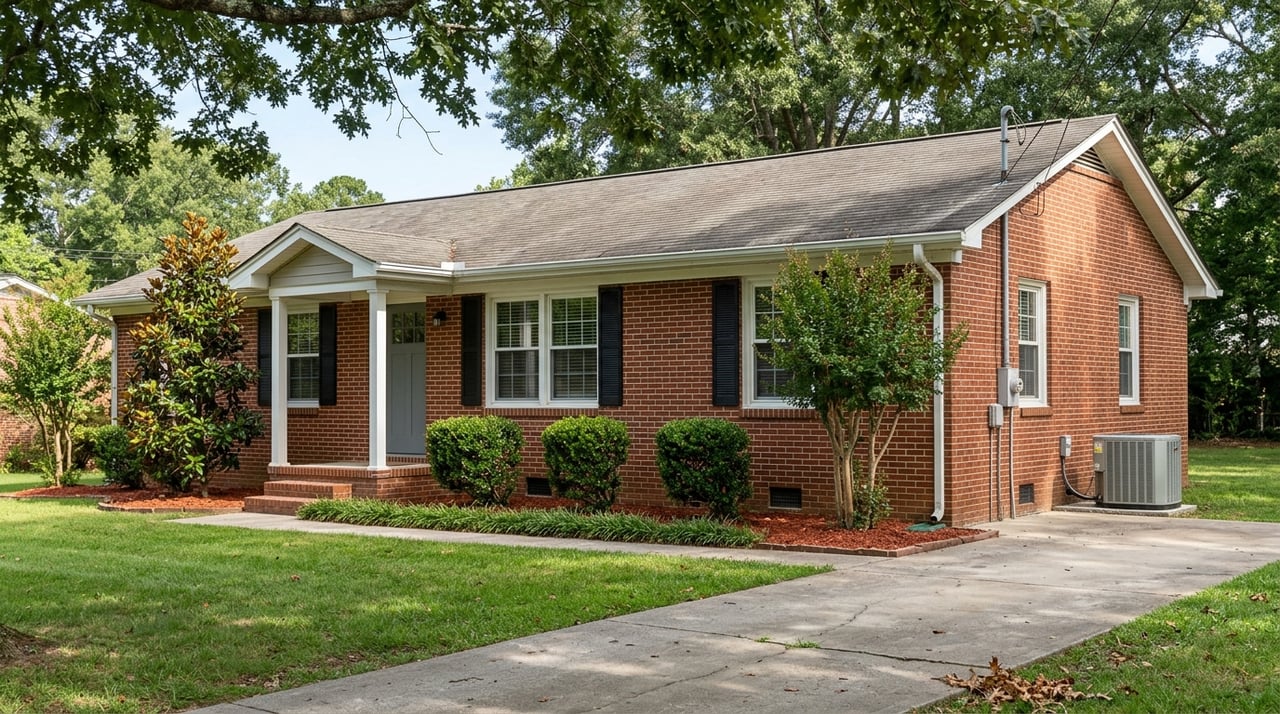
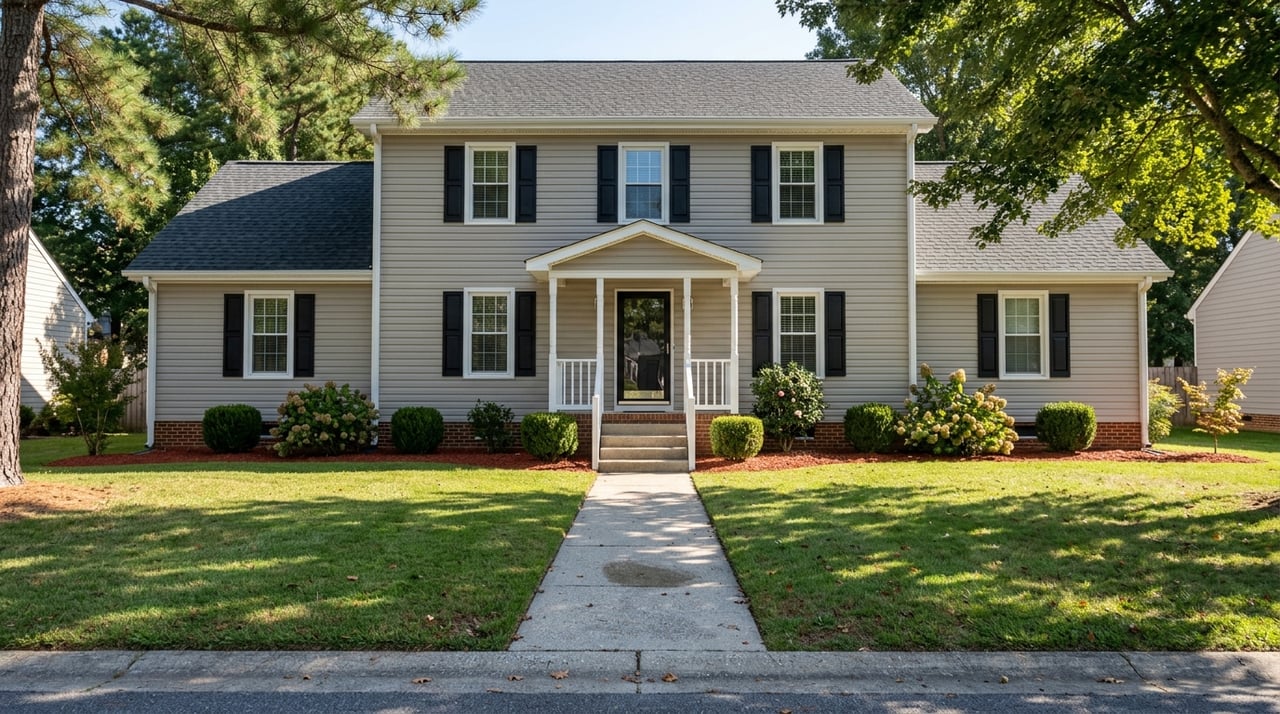
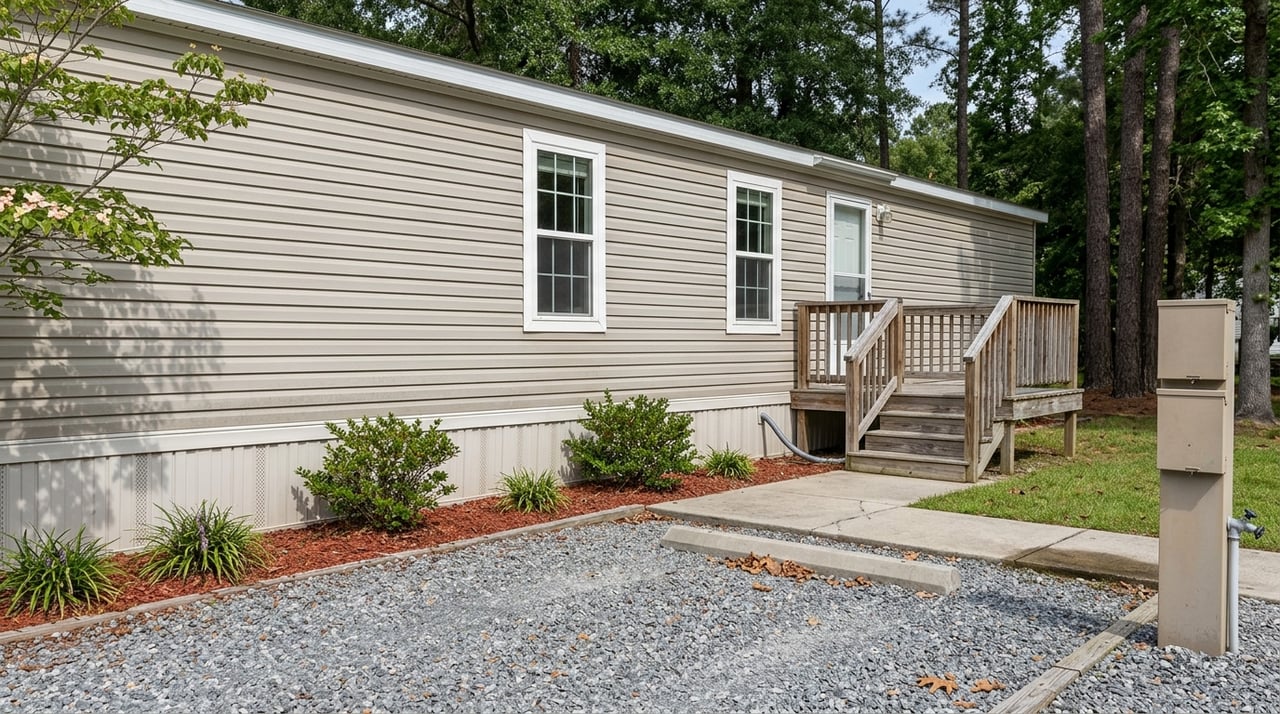
Because Troy’s housing stock leans heavily toward single-unit homes, many buyers will want to focus on simple residential properties that are easy to lease and maintain. That may include small detached houses, cottages, brick ranches, or manufactured homes, depending on the parcel, condition, and local rules.
A practical small rental often works best when it has straightforward upkeep, predictable utility setup, and a layout that appeals to a broad range of tenants. In a small town, ease of management can be just as important as purchase price. That is especially true if you live out of town or plan to hold the property for several years.
Check taxes before you assume cash flow
One of the biggest mistakes small investors make is underestimating carrying costs. Montgomery County lists a 2025 county property tax rate of $0.615, while Troy lists its own rate at $0.48. The county also lists separate rates of $0.07 for Badin Lake and $0.04 for Lake Tillery.
If you are comparing in-town Troy with a lake-area option, those tax-district differences matter. A parcel in one area may carry different total costs than a parcel that looks similar on paper. Before you commit to a purchase, confirm whether the property is inside Troy city limits, only in the county, or in a separate tax district.
The county also notes that the last revaluation was in 2020 and the next reappraisal is scheduled for 2028. Tax bills are usually printed in July or August, taxes are due September 1, and the listing period runs January 2 through January 31. Those details can help you plan your timing and budget more accurately.
Use county records early
For parcel research, Montgomery County directs buyers to its GIS system for maps and to the Register of Deeds for real-property records. Since the county offices and Register of Deeds are both in Troy, checking parcel details can be more convenient than in some larger markets.
Before you close, review the parcel map, deed history, and basic property record details. You want to know exactly what you are buying, where the boundaries sit, and whether the records line up cleanly with the listing information. These are simple steps, but they can save you from expensive surprises later.
Verify zoning before renovation plans
If you plan to improve the property, zoning should move to the top of your checklist. Troy’s planning page says a zoning permit is required before a county building permit for new structures, and the permit fee is $50. The town asks applicants to bring the property map and planned improvements to Town Hall.
That means a buyer should not assume that every addition, outbuilding, or use change will slide through easily. If your investment plan depends on renovations or changes to how the property is used, check zoning early. It is much better to confirm first than to discover limits after closing.
Understand North Carolina landlord basics
Owning a rental is not just about buying well. It is also about handling the lease correctly once you own it.
North Carolina law sets clear rules for security deposits. Deposits must be held in a trust account or backed by a bond, and tenants must be notified of the bank or bond within 30 days. The maximum deposit is two weeks’ rent for week-to-week leases, one and one-half months’ rent for month-to-month leases, and two months’ rent for longer lease terms.
Move-out rules matter too. Landlords generally have 30 days to itemize and return the balance, with a final accounting due within 60 days if needed. If you are building a small portfolio, these are not small details. They are compliance items that need to be built into your process from day one.
Know how lease enforcement works
If a tenant does not pay or violates the lease, North Carolina handles removals through summary ejectment in court. Landlords cannot change locks, shut off utilities, or use other self-help methods. For nonpayment, the courts note that landlords generally make a demand for rent and wait 10 days before filing.
That is why screening, documentation, and a clean written lease matter so much. In a small rental, one problem tenancy can affect your cash flow quickly. Good front-end systems can make the property much easier to manage over time.
Troy versus lake-area rentals
Some buyers also compare Troy with nearby lake-area opportunities around Badin Lake or Lake Tillery. Both can be worth exploring, but they often serve different goals.
In-town Troy may offer a simpler long-term rental setup with easier day-to-day management. Lake-area parcels may appeal when your focus is recreational or seasonal demand, but they can also come with different tax-district costs and more variable occupancy. When you compare options, do not stop at purchase price alone.
Ask yourself:
- What kind of tenant or renter are you targeting?
- How steady do you want occupancy to be?
- How much turnover can you comfortably manage?
- What are the tax-district costs for this specific parcel?
- Will the property need upgrades before it can perform well?
Those questions can help you match the property to your goals instead of chasing a listing that only looks good at first glance.
A smart buying checklist for Troy
Before you buy a small rental property in Troy, work through a simple, disciplined checklist.
- Compare current listings, sold comps, and rent estimates from more than one source
- Confirm whether the parcel is in Troy city limits or county-only
- Check whether the property sits in a special tax district
- Review GIS maps and deed records
- Verify zoning if you plan any improvements or use changes
- Budget for realistic rent, vacancy, taxes, and maintenance
- Prepare to handle deposits and leases according to North Carolina law
In a small market, careful prep can matter even more than speed. The right deal is not always the cheapest property. It is the one with numbers, records, and use plans that hold up under close review.
If you want local guidance as you compare Troy homes, lake-area properties, or small investment options in Montgomery County, Patty Edwards offers hands-on, practical support to help you make a confident move.
FAQs
What type of rental property makes the most sense in Troy, NC?
- In Troy, smaller single-unit properties like detached homes, cottages, and other modest residential properties often make the most natural fit because the housing stock leans heavily toward single-unit structures.
How should you estimate rent for a Troy, NC rental property?
- For a Troy rental property, use several sources together, including current listings, local comps, and ACS-based rent context, because thin inventory can make one online estimate misleading.
What taxes should you check when buying a rental in Troy, NC?
- When buying a Troy rental, confirm whether the parcel is inside Troy city limits, county-only, or in another tax district, since Montgomery County and Troy post separate rates and lake areas may have added district costs.
Why does zoning matter for a Troy, NC investment property?
- Zoning matters because Troy requires a zoning permit before a county building permit for new structures, so buyers planning renovations, additions, or use changes should verify approvals early.
What are the North Carolina security deposit rules for Troy landlords?
- In North Carolina, landlords must hold deposits in a trust account or back them with a bond, notify tenants within 30 days, follow deposit caps based on lease type, and generally provide itemization and return of balances within the required timelines.
How does North Carolina handle tenant removal for Troy rental owners?
- In Troy and throughout North Carolina, tenant removal is handled through summary ejectment in court, and landlords cannot use self-help methods like changing locks or shutting off utilities.