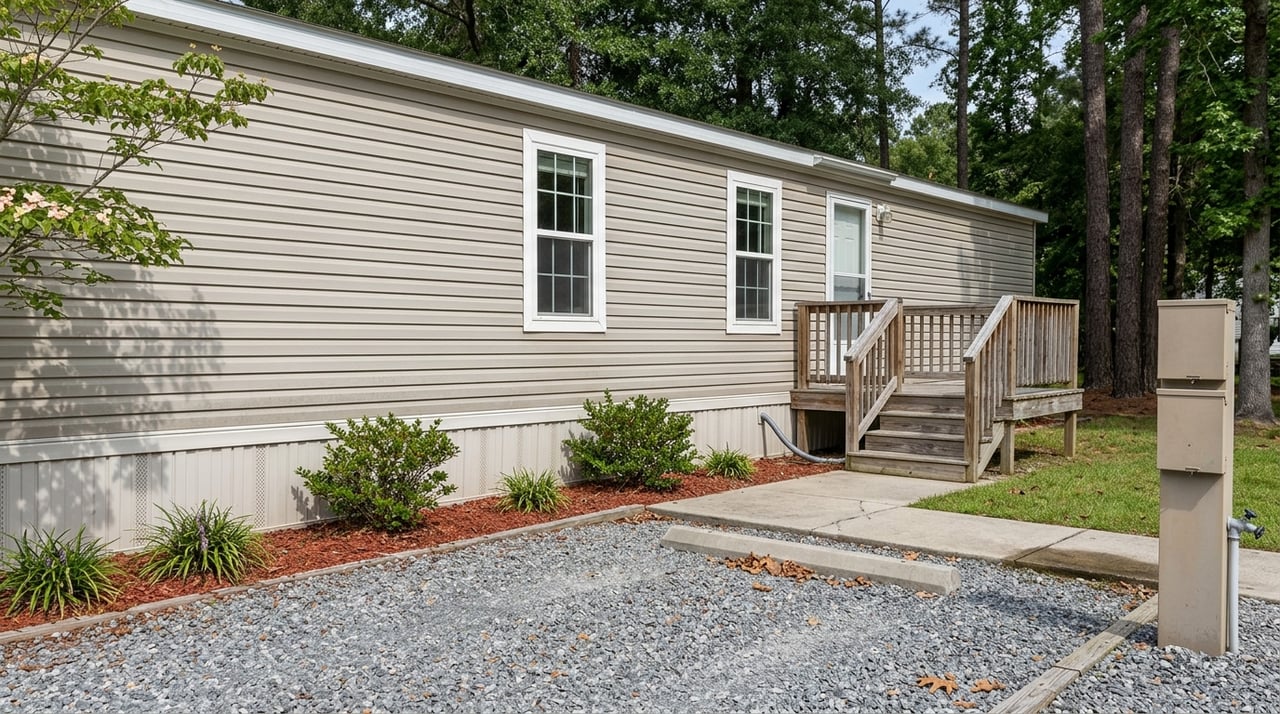
Buying or selling in a campground community around Mount Gilead can feel simple at first glance. You see a park model, a lot, and a price, so it seems like a standard real estate deal. But in places around Lake Tillery and Badin Lake, a sale may involve a titled unit, a deeded lot, or only the right to use a site. If you understand which of those is actually changing hands, you can avoid surprises and move forward with more confidence. Let’s dive in.
What a campground sale may include
In the Mount Gilead, Lake Tillery, and Badin Lake area, a campground or park model sale can involve three separate pieces: the unit, the site, and the rights to use the community. Those pieces do not always transfer together.
That matters because some communities operate more like deeded ownership, while others function more like a campsite use arrangement. Around Lake Tillery, that distinction is especially important because the market includes both campground-style communities and deeded-lot settings.
The park model unit
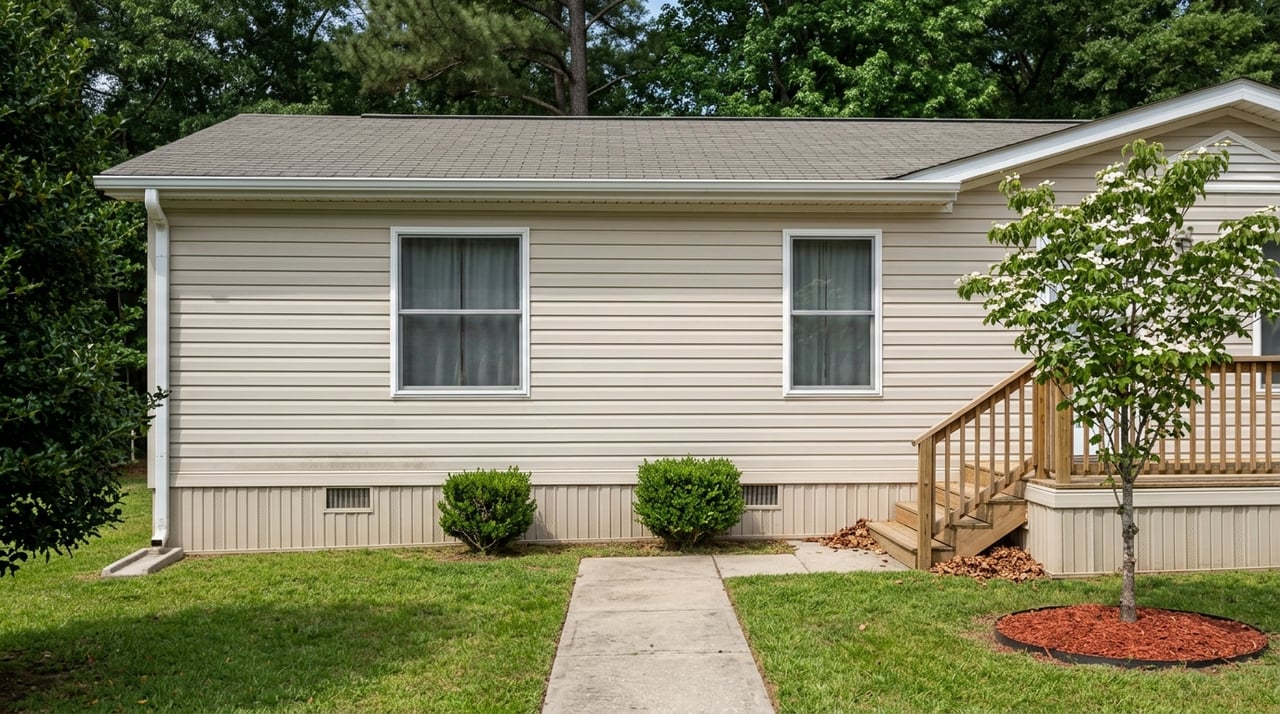
A park model RV in North Carolina is not treated like a traditional house. The state classifies qualifying park models as a distinct vehicle type used for recreational, camping, travel, or seasonal use.
To qualify, the unit is built on a single chassis with wheels, limited to 400 square feet in setup mode, and certified to ANSI A119.5 standards. North Carolina DMV treats these units as titled and registered park models, not mobile homes, and the title cannot be canceled into real estate.
The lot or site
The land piece depends on the community and the transaction. In some sales, you may be buying a deeded lot through a real estate closing. In others, you may only be getting the right to place or use a unit on a site.
This is a key difference because land ownership and site-use rights are not the same thing. Before you agree on price or terms, you want clarity on whether the land itself is part of the deal.
The community-use rights
Some communities also have rules, access procedures, and owner paperwork that affect how the property is used after closing. For example, local community documents reference owner access, gate cards, guest sign-in procedures, and orientation requirements for new owners.
So even when a sale looks straightforward, you may also be stepping into a set of community rules and operating procedures. That is one reason these transactions benefit from careful review up front.
Deeded lot vs leased site
One of the biggest questions in any campground or park model transaction is whether the site is deeded or leased/licensed. The answer shapes the closing process, the paperwork, and your legal rights.
How deeded lot sales work
In a deeded lot community, the lot changes hands through a real estate closing. The park model may transfer with the lot, or it may be handled separately depending on how the contract is written.
In Badin Shores, community documents describe privately deeded lots and separate common property. New owners are instructed to provide a recorded deed, attend orientation, and complete homeowner paperwork before receiving access to amenities and gate privileges.
That means a buyer is not just purchasing space for a unit. The buyer is also stepping into an ownership structure with community procedures that continue after closing.
How leased sites or use rights work
If you are not receiving a deed to the land, the deal may be closer to a lease, license, or campground membership arrangement. In that case, what you are buying may be the unit itself plus a right to use the site under the community’s terms.
North Carolina’s Membership Camping Act applies to written agreements longer than one year that give a right or license to use a campground. The law includes requirements such as operator registration, disclosures, escrow of purchase money, and a three-business-day cancellation right.
Why the title matters so much
For a titled park model RV, the certificate of title is the main proof of ownership. A bill of sale can help support the file, but it should not be treated as the only ownership document.
North Carolina DMV requires title transfers to be completed on the title itself and notarized. If you are buying a park model, the title is not a minor detail. It is a central part of the transaction.
Bill of sale vs title
A lot of buyers ask whether a bill of sale is enough. For a titled park model in North Carolina, the answer is generally no.
A bill of sale is useful backup paperwork, but the assigned title is what DMV relies on for ownership transfer. If the title is missing, incomplete, or does not match the seller, that should raise concern before any money changes hands.
Seller name and notarization checks
DMV flags mismatched seller names and reluctance to notarize as possible fraud warning signs. That makes a basic identity check very important.
Before closing, confirm that the seller’s name matches the title and that any required signatures will be properly notarized. This step is simple, but it can prevent major problems later.
Taxes and registration in North Carolina
Park model sales do not always follow the same pattern you may know from a house purchase or even an ordinary vehicle purchase. North Carolina has some specific rules that matter here.
Highway use tax and sales tax
According to the North Carolina park model manual, dealer sales are subject to a 3 percent highway use tax, capped at $2,000. For casual sales, two licensed-dealer appraisals are used to calculate that tax.
The same state guidance says qualifying park model RV sales are exempt from North Carolina sales and use tax. That is one reason it is important to know how the unit is classified before closing.
Property tax treatment
North Carolina guidance says park model RVs are exempt from property tax, but they still need to be listed with the county tax office. Buyers sometimes miss that step because the tax treatment is different from a standard home.
It is also important not to assume the unit will follow North Carolina’s usual Tag & Tax Together cycle used for ordinary cars. Park model trailers are excluded from that normal process.
Financing often works differently
Because North Carolina treats park models as titled vehicles rather than real estate, financing can look different from a standard home purchase. In many cases, buyers may need cash or specialized RV or personal-property financing rather than a traditional mortgage.
That can affect your budget, down payment, and timeline. If the land is not part of the collateral, your financing options may be more limited than with a conventional home loan.
Questions to answer early
Before you get deep into the purchase, ask what the lender or seller will require to close. The answer may include title delivery, lien release paperwork, site approval, or a deed if land is involved.
These details are easier to solve at the start than right before closing. A clear paper trail helps the transaction stay on track.
Contingencies that can protect you
In this niche market, a good offer is not just about price. It should also address the documents and approvals needed for a smooth transfer.
Here are some common points worth addressing in writing:
- Title and lien status: Require a transferable title and any needed lien release before closing.
- Community approval or owner onboarding: Some communities require a recorded deed, orientation, owner paperwork, or access setup before you can fully use the property.
- Membership camping rights: If the deal involves a campground-use contract instead of deeded land, the buyer may have a three-business-day cancellation right under North Carolina law.
- Permit or site-work approval: If the purchase involves decks, utility work, an address change, or other site improvements, local permitting and zoning steps may be required before the work begins.
Local permit questions to keep in mind
In Montgomery County and nearby Stanly County, site changes can trigger local zoning or permit requirements. This often comes up when buyers plan to add decks, connect utilities, or make other improvements after purchase.
That does not mean every transaction is complicated. It does mean you should confirm the local requirements before planning work or counting on a quick upgrade after closing.
What this means for buyers and sellers
The biggest mistake in campground and park model sales is assuming every deal works the same way. In the Mount Gilead, Lake Tillery, and Badin Lake market, the transaction may combine a DMV title transfer for the unit with a deed, a lease, or a campground-use agreement for the site.
That is why the first question should not just be, “What is the price?” The better question is, “What legal interest is actually being sold?”
If you are buying, that question helps you understand ownership, financing, taxes, and access. If you are selling, it helps you present the property clearly and avoid confusion that can slow down a deal.
Specialty markets like Twin Harbor, Badin Shores, and nearby lake communities have their own moving parts. Clear paperwork, local knowledge, and careful expectations can make the process much smoother from contract to closing.
When you are ready to talk through a campground, deeded lot, or park model sale around Mount Gilead, Lake Tillery, or Badin Lake, Patty Edwards can help you sort out the details and move forward with confidence.
FAQs
What is a park model RV in North Carolina?
- A qualifying park model RV is a temporary-use unit for recreational, camping, travel, or seasonal use that is built on a single chassis with wheels, limited to 400 square feet in setup mode, and titled and registered through North Carolina DMV.
What does a campground sale in Mount Gilead usually include?
- A campground sale may include the park model unit, the land or site, and the rights to use community amenities or access systems, and those pieces do not always transfer together.
What is the difference between a deeded lot and a leased campsite?
- A deeded lot transfers land ownership through a real estate closing, while a leased campsite or campground-use arrangement gives you the right to use the site under the community’s terms rather than ownership of the land.
Is a bill of sale enough for a North Carolina park model purchase?
- No. For a titled park model, the assigned and notarized certificate of title is the main ownership document, while a bill of sale is supporting paperwork.
How are park model RV sales taxed in North Carolina?
- State guidance says dealer sales are subject to 3 percent highway use tax capped at $2,000, casual sales use dealer appraisals to calculate that tax, and qualifying park model RV sales are exempt from sales and use tax.
Do park model buyers in Montgomery County need permits for site improvements?
- They may. If the project involves decks, utilities, a new address, or other site work, local permitting and zoning review may be required before work starts.