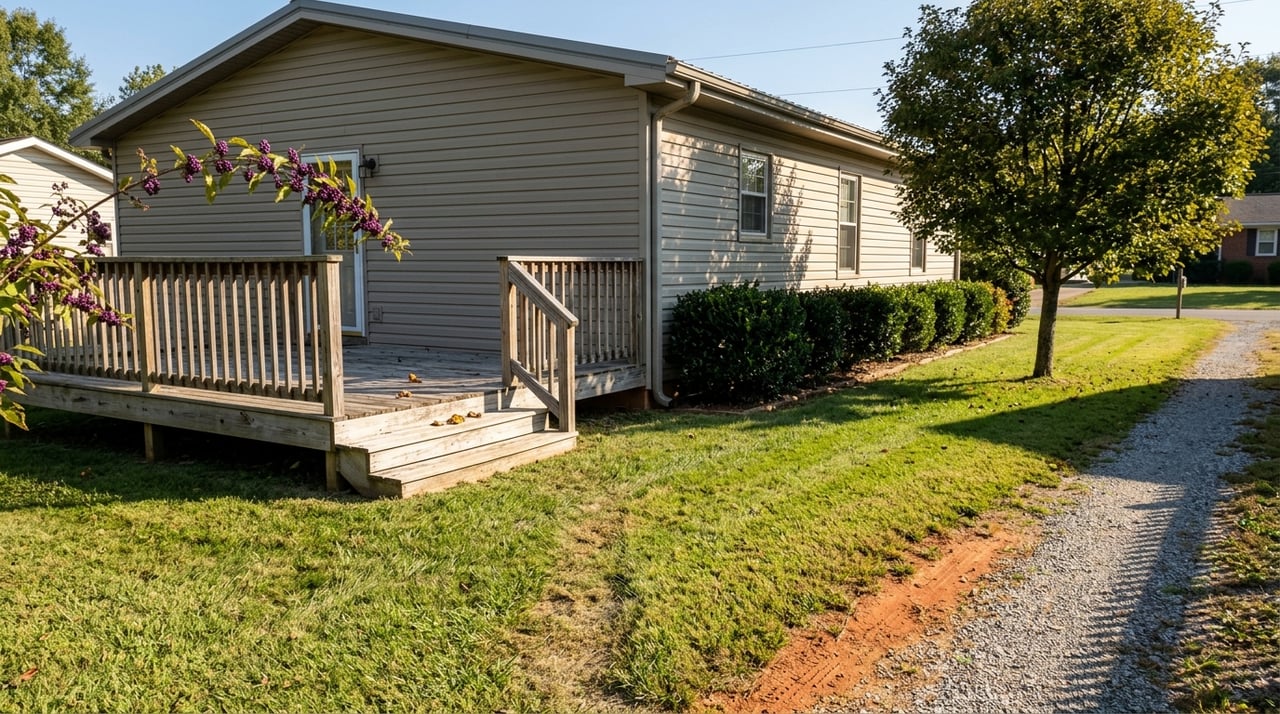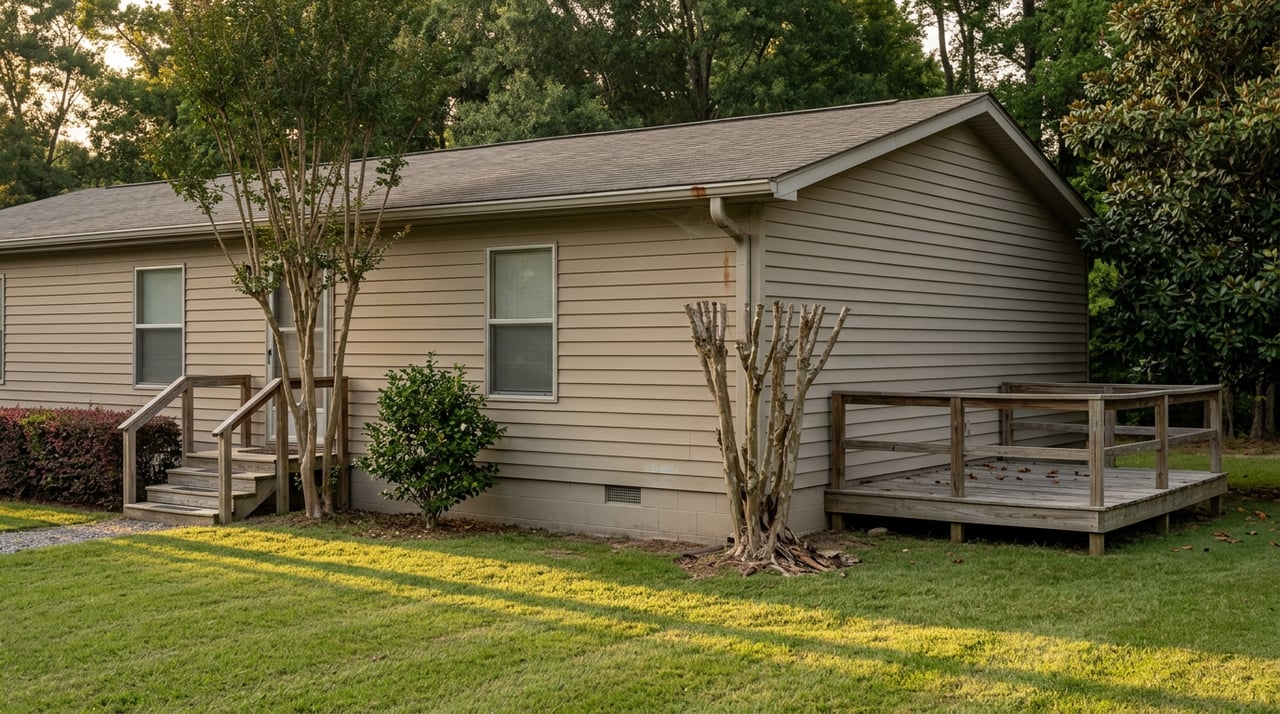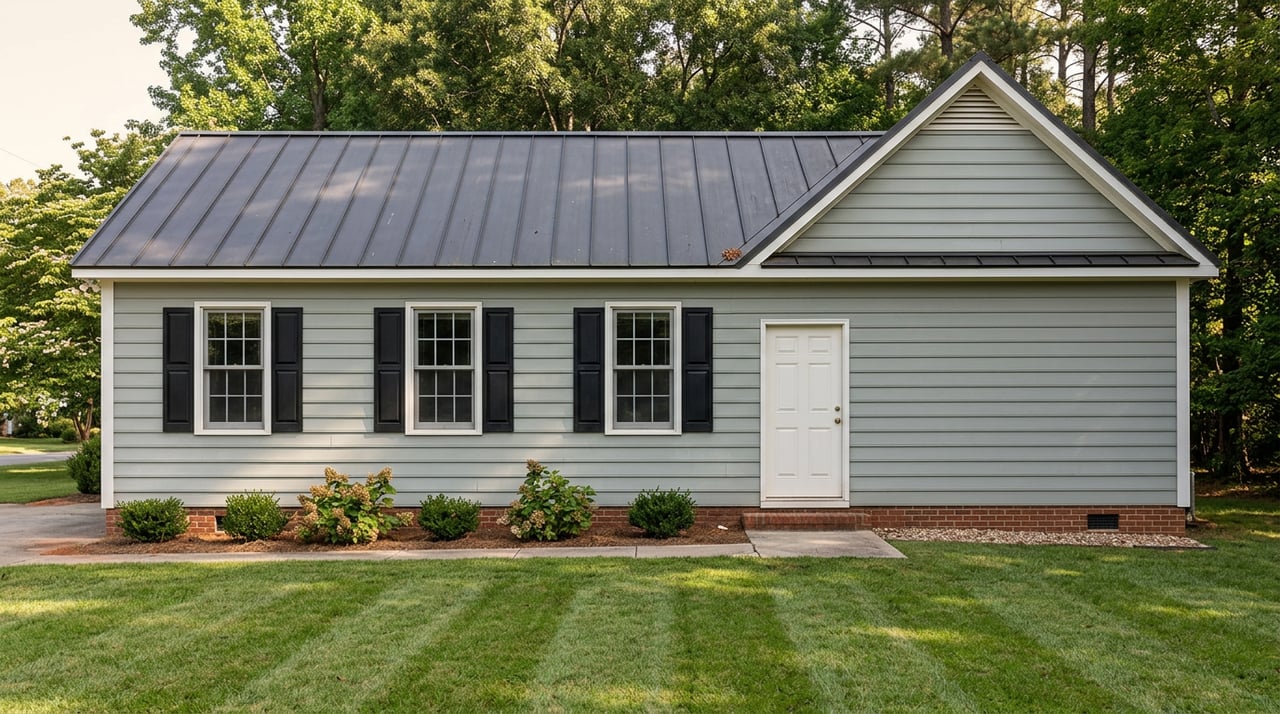
A lake cottage near Badin Shores has four bedrooms the way most people count them. There's the primary, two more down the hall, and a fourth that used to be a screened porch before someone framed it in, ran electric, and put a daybed and a dresser in it for grandkids visiting on summer weekends. It has been a bedroom for a decade. Everyone who has ever stayed there would call it one.
The county's Operation Permit for that property says three.
That mismatch, not the price, not the condition of the dock, not the age of the roof, is the single most common thing that stalls a closing on lake and campground inventory around Mount Gilead. It surfaces late, usually after the home is already under contract, because nobody thought to check a document that was issued years or decades before the current owner bought the place.
What a Septic Permit Actually Controls
An on-site septic system in North Carolina is permitted for a specific capacity, generally calculated at two people per bedroom. That number gets written into the county's Operation Permit at the time the system is installed or last upgraded, and it does not update itself when a homeowner finishes a bonus room, builds an addition, or converts a porch. The North Carolina Real Estate Commission has been direct about the consequence: brokers are required to verify that a property's advertised bedroom count matches the permit on file, and a copy of that permit has to accompany the MLS listing. If someone converted an office into a fourth bedroom but the system is only permitted for three, that is flagged as a problem that needs resolving before closing, not a detail to smooth over in the listing remarks.
This is not a paperwork technicality. The Commission has pursued cases where a broker advertised a six-bedroom home while disclosing, deeper in the listing, that the septic permit only allowed three, treating that kind of qualified overstatement as still deceptive. The permit exists to keep a system from being asked to handle more wastewater than it was designed for. Advertise around it and you're not just risking a slow closing. You're encouraging a buyer to run more people through a system that can't take it.
Why This Shows Up So Often in Lake and Campground Properties
Mount Gilead's public water system draws from Lake Tillery and is treated at a facility on Hydro Road, and it serves in-town customers along with Wood Run and Carolina Forest. That coverage does not extend to most of the waterfront and campground parcels that make up a large share of local inventory. If a property sits outside that service area, which describes most of the lake and campground stock around Twin Harbor and Badin Shores, it is almost certainly running on a private well and a private septic system.
That inventory also tends to be older and more likely to have been modified. Park models get add-a-rooms. Cottages built in the seventies and eighties get a converted porch or a finished attic space decades later. Camper units get a bunk room tacked on for a growing family. None of that is unusual, and none of it is a problem on its own. It becomes a problem the moment a seller lists the home by what it looks like today instead of what the county's records say it was designed to support.
The Line That Just Got Added to the Disclosure Form
There's a second document that has changed more recently and catches almost as many sellers off guard. As of July 1, 2024, North Carolina's Residential Property Disclosure Statement added a question that did not exist before: sellers with a private well now have to state whether that well has ever been tested for quality, quantity, and pressure, and if it has, provide the date. For a longtime lake-property owner who has never sold a home on well water before, this is a checkbox they've genuinely never had to think about.
| Before July 1, 2024 | As of July 1, 2024 |
|---|---|
| Disclosure covered known defects in septic and water systems | Disclosure now also requires stating whether the well has ever been tested, and when |
| No prompt to document testing history | Untested wells must be disclosed as untested, not left blank |
| Buyers often assumed testing had happened | Buyers see the actual testing record, or lack of one, before making an offer |
The average cost of routine well water testing runs around $150 a year, with a range from about $60 to $440 depending on the lab and what's being tested for. Testing itself typically takes four to five weeks to complete once samples are submitted, so this is not a same-week fix if you decide to test after you've already got a buyer lined up.
What This Actually Costs You in Time
Montgomery County's Environmental Health office, based at 444 North Main Street in Troy, has been digitizing its septic and well permit records, which means older permits that were previously issued may take several days to retrieve rather than being available on the spot. If your property's permit predates that digital system, budget for that delay before you assume you can pull a copy the week you list.
Beyond the paperwork, a point-of-sale septic inspection in North Carolina has to be performed by a certified inspector, not a plumber or the technician who pumps the tank, and it typically takes ninety minutes to two hours. A full inspection runs $300 to $600 and checks the tank's structural condition, sludge and scum levels, the effluent filter required on all NC systems since 1999, the distribution box, and whether the drain field is actually processing wastewater without surfacing or standing water.
The Sequence That Avoids a Late Surprise
- Call the county early. Ask Montgomery County Environmental Health for the Operation Permit on file for the parcel, and confirm the permitted bedroom count before you write a single line of listing copy.
- Walk the house against the permit. If a room functions as a bedroom but isn't reflected in the permit, decide now, not during due diligence, how you'll list and price the property.
- Pump the tank if it's been more than two to three years. Inspectors note sludge levels, and a freshly pumped tank presents better and avoids a delay if pumping gets recommended mid-inspection.
- Schedule a certified point-of-sale inspection before you list, not after an offer. Getting ahead of the results means you control the timeline instead of a buyer's lender controlling it.
- If the property is on a private well, get it tested and keep the date. You'll need that date for the disclosure form regardless of when the last owner tested it.
When the Numbers Don't Match
A permit that caps a property at three bedrooms while it's being used as a four-bedroom home is not automatically a deal killer. It's a negotiating point. Buyers can ask for a price adjustment that reflects the permitted capacity, or a seller can pursue a system upgrade before listing if the lot and soil conditions support a larger drain field. What doesn't work is advertising the fourth bedroom without addressing the gap, because that's the exact scenario the Real Estate Commission has flagged as a source of buyer complaints and post-sale disputes.
A Few Questions Sellers in This Market Ask
Does North Carolina law require a septic inspection before I sell? No statute makes it mandatory in every transaction. In practice, most mortgage lenders, especially for FHA and VA-backed loans, require one, and the Real Estate Commission's bedroom-matching rule makes an inspection close to unavoidable if you want a clean listing.
What if my well has never been tested? Say so on the disclosure form. Leaving the question blank isn't the same as answering it, and an honest "not tested" is far less risky than a buyer discovering later that the box should have been checked differently.
Where do I actually find my septic permit for a Mount Gilead or Twin Harbor property? Start with Montgomery County's Environmental Health office in Troy. If the property changed hands more than once, the original permit may be filed under a prior owner's name, so have the parcel address ready when you call.
Getting the permit and the well history sorted out before a buyer's lender does it for you is the difference between a closing that moves on schedule and one that stalls in the last two weeks. If you're weighing a sale on Lake Tillery, Badin Shores, or anywhere around Twin Harbor, Patty Edwards Realty has spent two decades walking these lake and campground properties through exactly this kind of local detail. Schedule a free consultation and we'll go through your property's permit history with you before it ever hits the market.