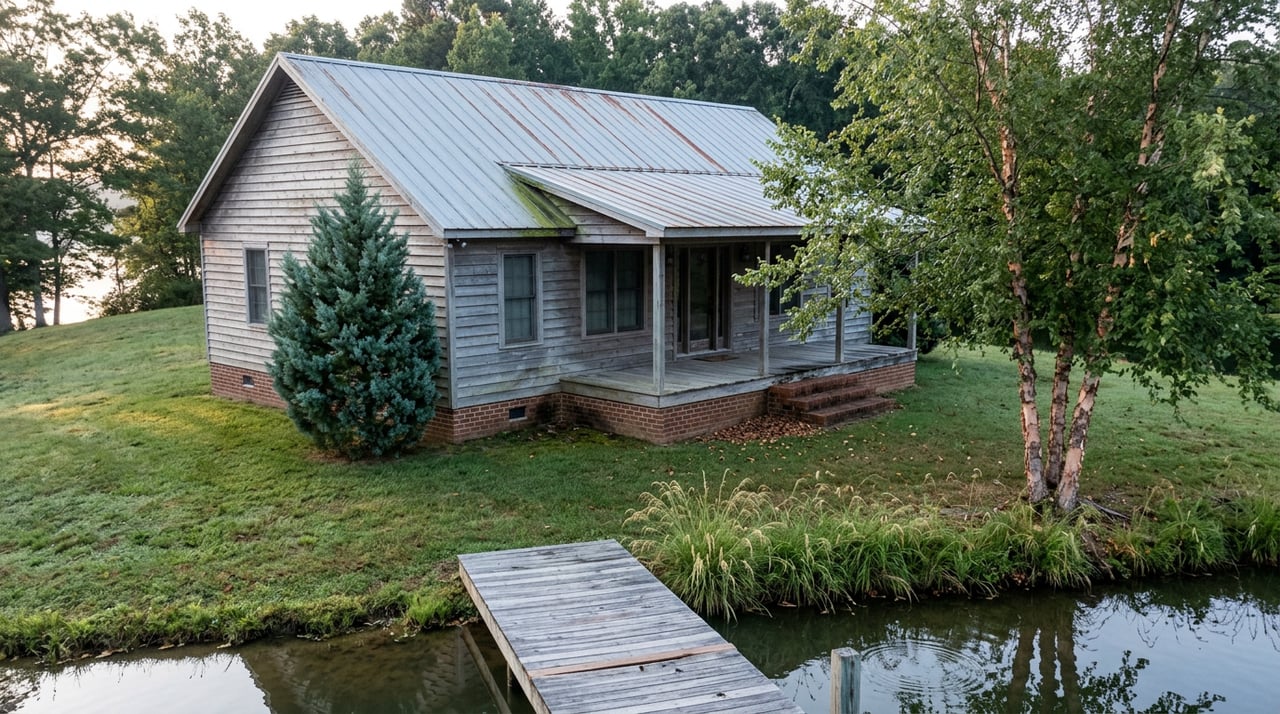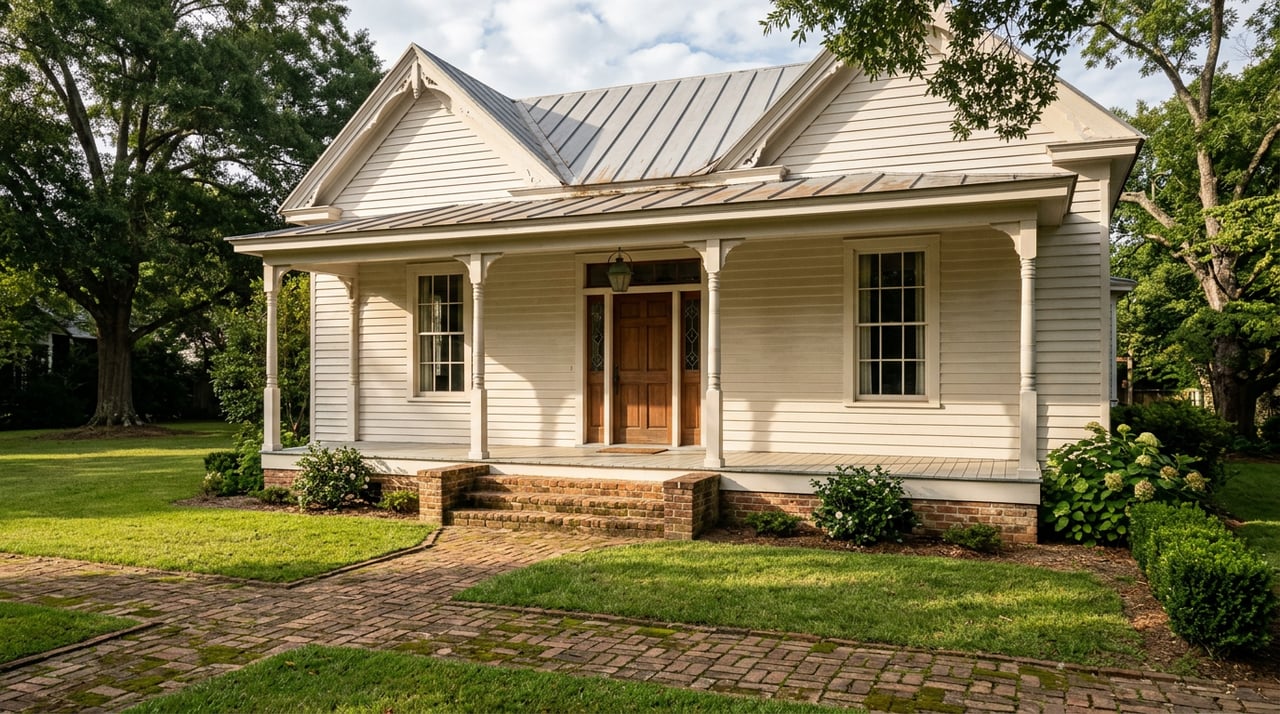
If you own or are considering one of the five houses that make up Troy's Residential Historic District, here is the transaction detail worth knowing before you list, buy, or start swinging a hammer: the UNC School of Government explains that National Register designation on that home does not require you to ask anyone's permission to add a porch, replace a roof, or tear down a shed. What it does let you do, if you follow the paperwork in the right order, is get back fifteen cents of every qualifying rehab dollar, according to the North Carolina State Historic Preservation Office. Most owners never claim it, because most owners assume the plaque means the opposite of what it actually means.
That gap between assumption and reality is the whole story here.
Five Houses, One Designation, No Review by the Register
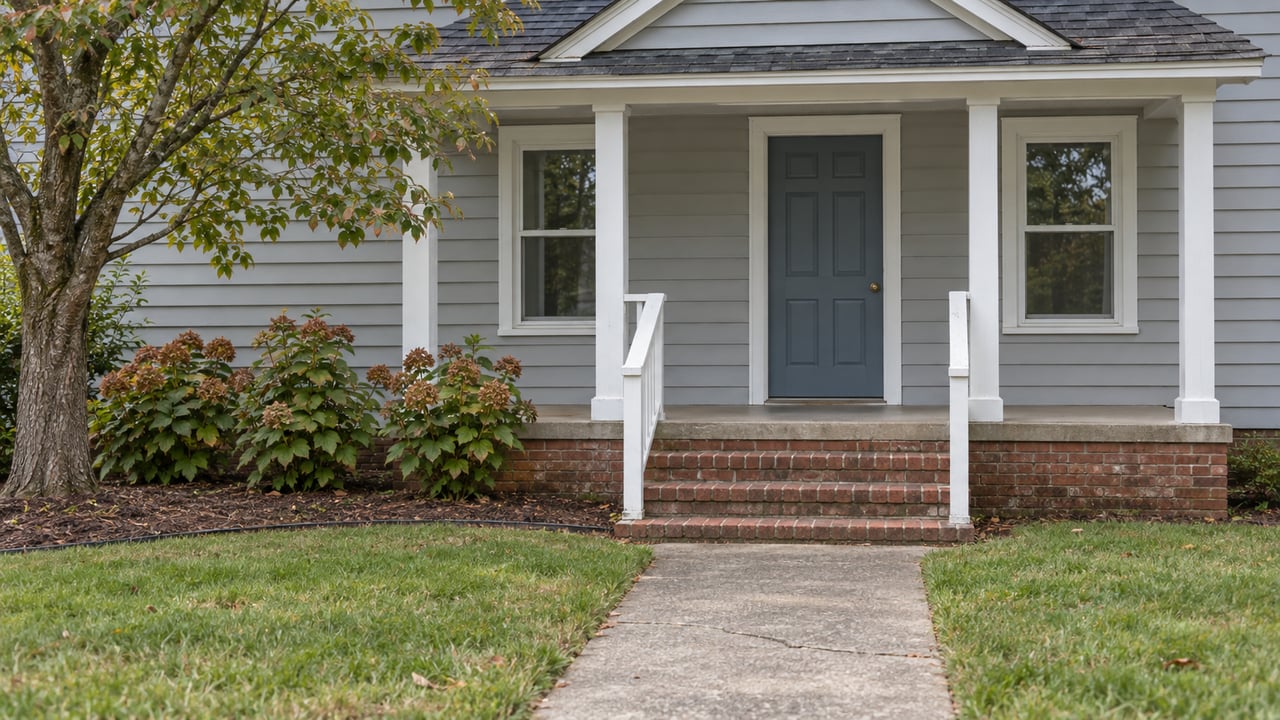
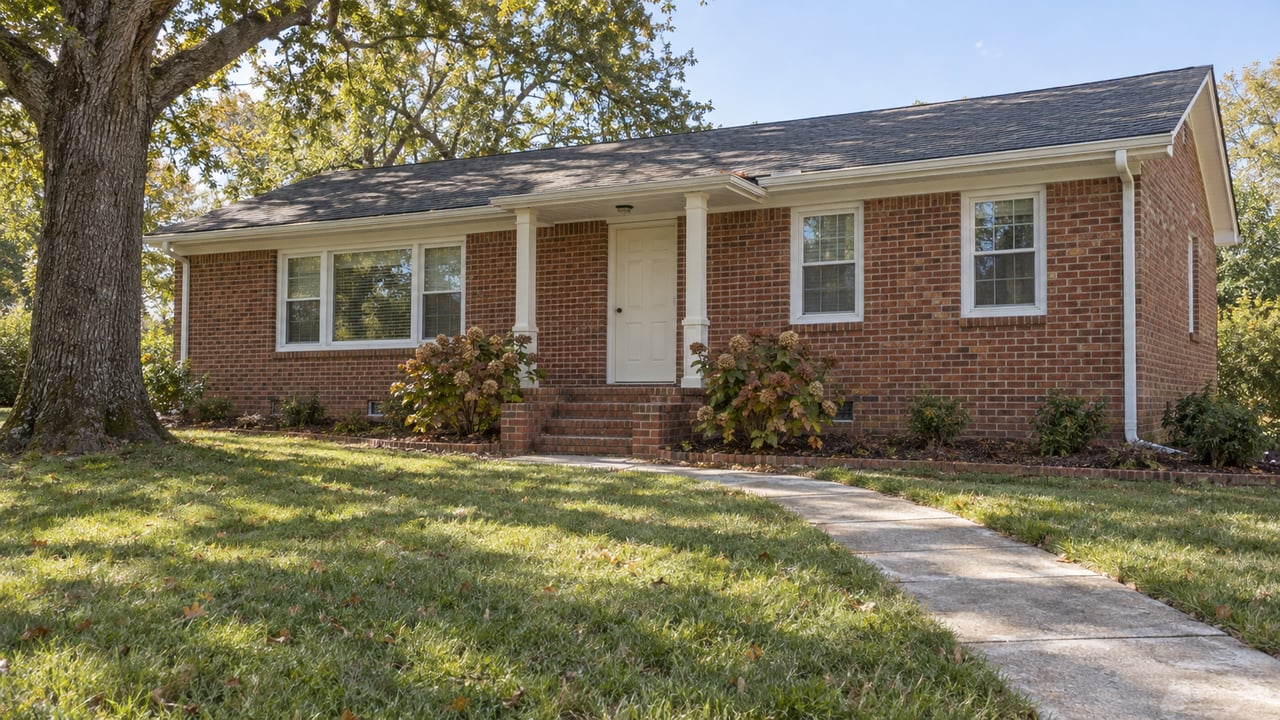
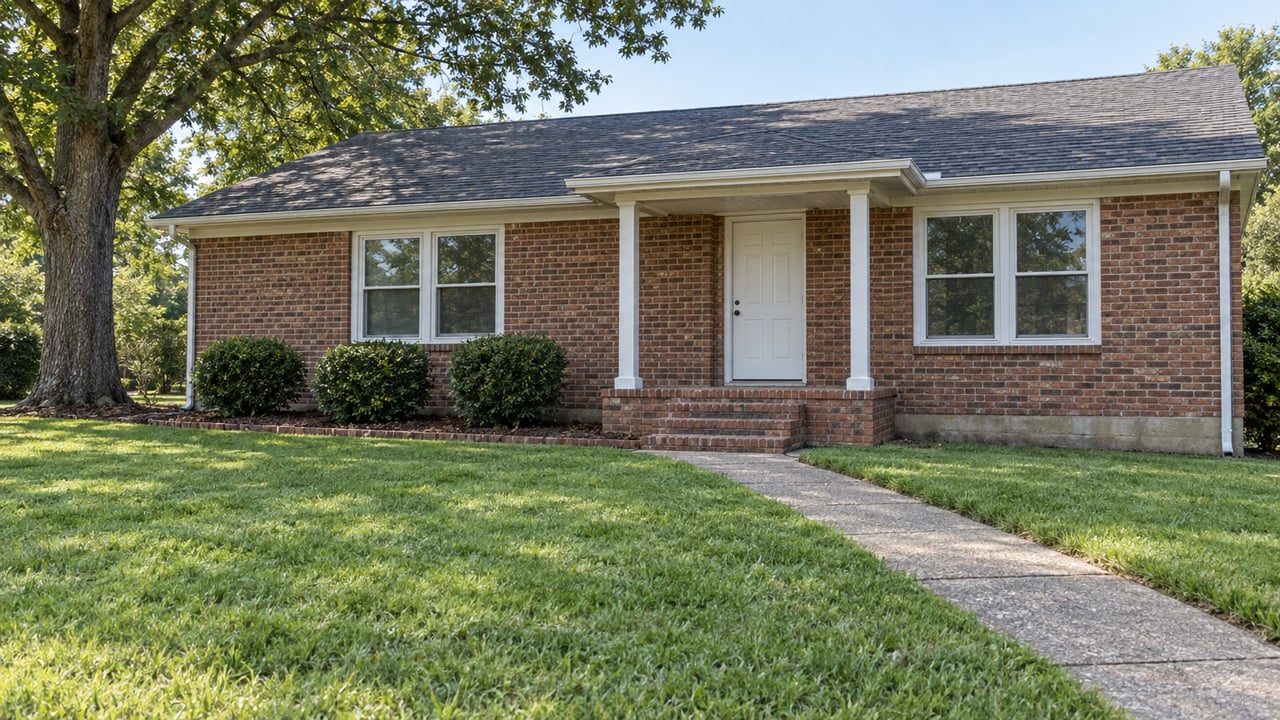
Troy's Residential Historic District covers exactly five contributing dwellings, built between 1871 and 1940, in a residential section of town. They are the Joseph Reese Blair House, the Mills-Thompson House, the Wade-Arscott House, the Bruton-Allen House, and the Thompson Rental House, a mix of Queen Anne and Classical Revival architecture that earned the district a spot on the National Register of Historic Places in 2006.
If you picture a historic district as a neighborhood where a commission signs off on your paint color and your window replacements, that picture is accurate somewhere else in North Carolina. National Register listing is an honor and a paperwork trail, not a permission structure. Under North Carolina law, a private owner may alter, improve, or even demolish a National Register listed building without approval from any local, state, or federal government body. The Register documents significance. It does not regulate what you do with your own walls.
What does regulate exterior changes, in the handful of North Carolina towns where it applies, is a separate and much stronger tool: local historic landmark or district designation. State law authorizes cities and counties to designate local landmarks and districts specifically so they can require a certificate of appropriateness before an owner alters, adds to, or demolishes a designated property. That authority comes with teeth. It requires the local commission to adopt design standards and apply them before signing off on any exterior work.
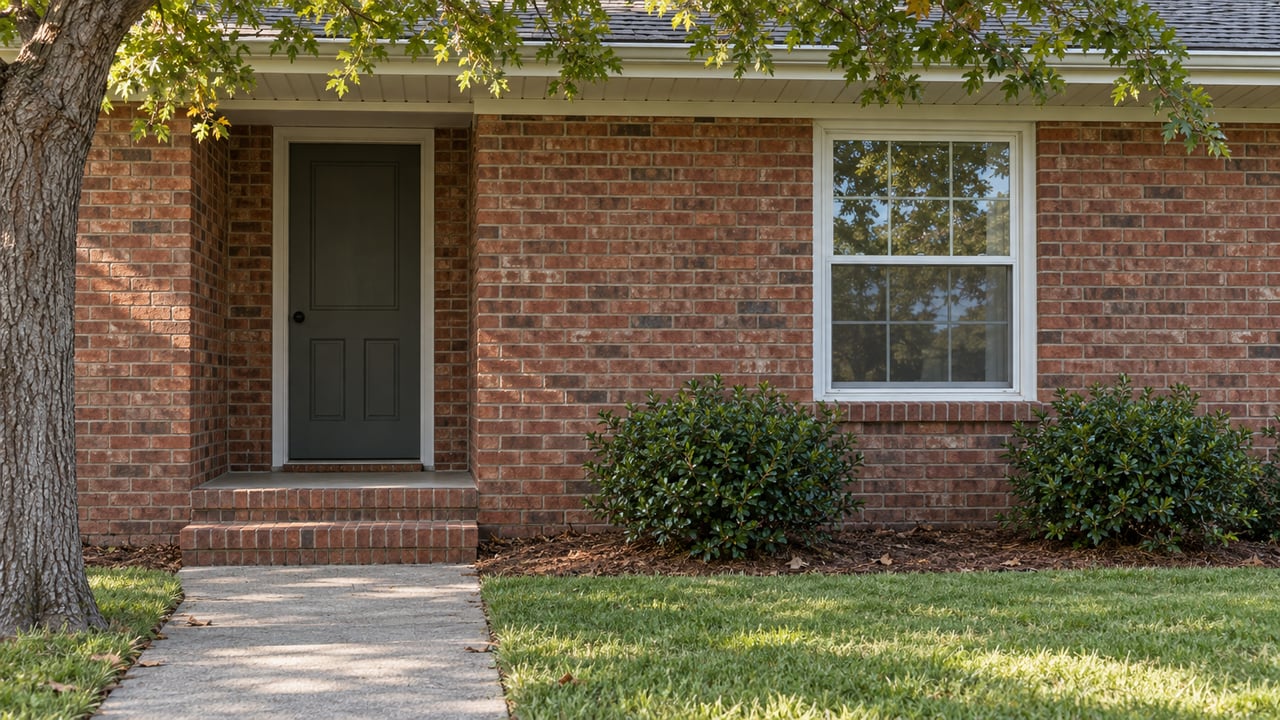
The five houses in the Troy Residential Historic District carry National Register status.
Where the Two Actually Overlap in North Carolina
The distinction matters because North Carolina only recognizes three certified local historic districts for purposes of the state's homeowner rehabilitation tax credit: Raleigh, Goldsboro, and Madison. Everywhere else in the state, including Troy, a homeowner reaches the same tax credit through a different door: individual listing on the National Register, or status as a contributing building within a National Register historic district.
| Certified local district (Raleigh, Goldsboro, Madison) | National Register listing alone | |
|---|---|---|
| Exterior work requires prior approval | Yes, via certificate of appropriateness | No |
| Local commission reviews design | Yes | No |
| Demolition requires local sign-off | Yes | No |
Both paths lead to the same tax benefit. Only one of them comes with a commission reviewing your choice of siding.
What the Designation Actually Buys You
The North Carolina State Historic Preservation Office explains that North Carolina introduced its state historic rehabilitation tax credit in 1998 to sit alongside the federal program. For owner-occupied homes like the five in Troy's district, the state credit runs at 15 percent of qualified rehabilitation costs, with a floor: the work has to be substantial, meaning it exceeds $10,000 within a 24-month period, according to the North Carolina Department of Natural and Cultural Resources.
The credit cannot be claimed against acquisition costs, new square footage, site work, or personal property. It applies to the cost of rehabilitating the structure that is already there.
There is a rhythm to how often you can use it, too. An owner can undertake one rehabilitation project under this program every five years. Any credit you cannot use in the year the work is completed carries forward for up to nine additional years, and the credit itself can transfer with the property if that transfer happens before the structure is placed back in service.
The Catch That Actually Catches People
The process runs in two parts. Part A documents existing conditions, describes the proposed work, and includes before photos and plans, submitted to the State Historic Preservation Office for review. Part B comes after completion, with after photos and documentation that the building contributes to its National Register district.
This is the detail sellers of these five houses should be raising proactively, not waiting to be asked about. A buyer who understands the process for applying for a credit is looking at a materially different cost picture on that fixer-up bathroom or that failing roof than a buyer who assumes historic designation is just a line on the deed.
What This Means If You're Buying or Selling One of These Homes
For a seller, the historic designation is a talking point, not a liability to explain away. The financial tool is worth stating plainly in your listing conversation rather than leaving a buyer to discover it during due diligence.
For a buyer, the questions worth asking before you write an offer are about what you'd have to do to get paid back for doing renovation work. Has any prior rehabilitation on the house gone through Part A and Part B with the State Historic Preservation Office? Is there a credit that transferred with the property, or unused carryforward still available?
None of this changes what the house is worth on its own merits, the same brick, hardwood, and porch character that put it on the Register in the first place. It changes what the next chapter of ownership costs, and that number is worth pricing in before closing rather than discovering in March of the following tax year.
A Few Questions Worth Asking Before You Write an Offer
Does National Register listing affect homeowners insurance or resale in a way local design review would? Not directly. Insurers price the structure, age, and materials, not the Register plaque itself. Resale value in Troy's case is more likely tied to the architectural character that earned the listing than to the listing as a regulatory fact.
Can I add square footage to one of these five houses? Nothing in the National Register designation prevents it. The tax credit specifically excludes new additions from the qualifying cost basis, so an addition would sit outside the 15 percent credit even as the rest of the rehab qualifies.
What if I want to tear the house down instead of rehabbing it? National Register status alone does not require anyone's approval for demolition. That is a decision that rests with the owner,
If you're weighing a purchase or a sale involving one of Troy's five historic district houses, or any older home nearby where these same rules could apply, Patty Edwards Realty can walk through what the designation means for your specific timeline and budget. Schedule a free consultation and get a straight answer.
This article is general information, not legal, tax or financial advice. Consult a qualified professional about your situation.